Commercial Painting Contractors in San Diego: How to Hire One You Can Trust
Joe Penney has been painting in San Diego County since 2007 and in the trade for over 35 years. Every job — residential, commercial, and specialty coatings — is run by Joe or his son Alex personally. No subcontractors, no franchise crews. CA License #794402-C33.
Quick answer
The best commercial painting contractors in San Diego share three traits: a verified C-33 license and current insurance, a written scope that names every product and prep step, and a local track record on jobs like yours. Commercial painting here runs $1.50–$4.00 per square foot for interiors and $2.00–$6.00 for exteriors. The cheapest bid is almost never the one that holds for the full 8–12 years a proper job should last.
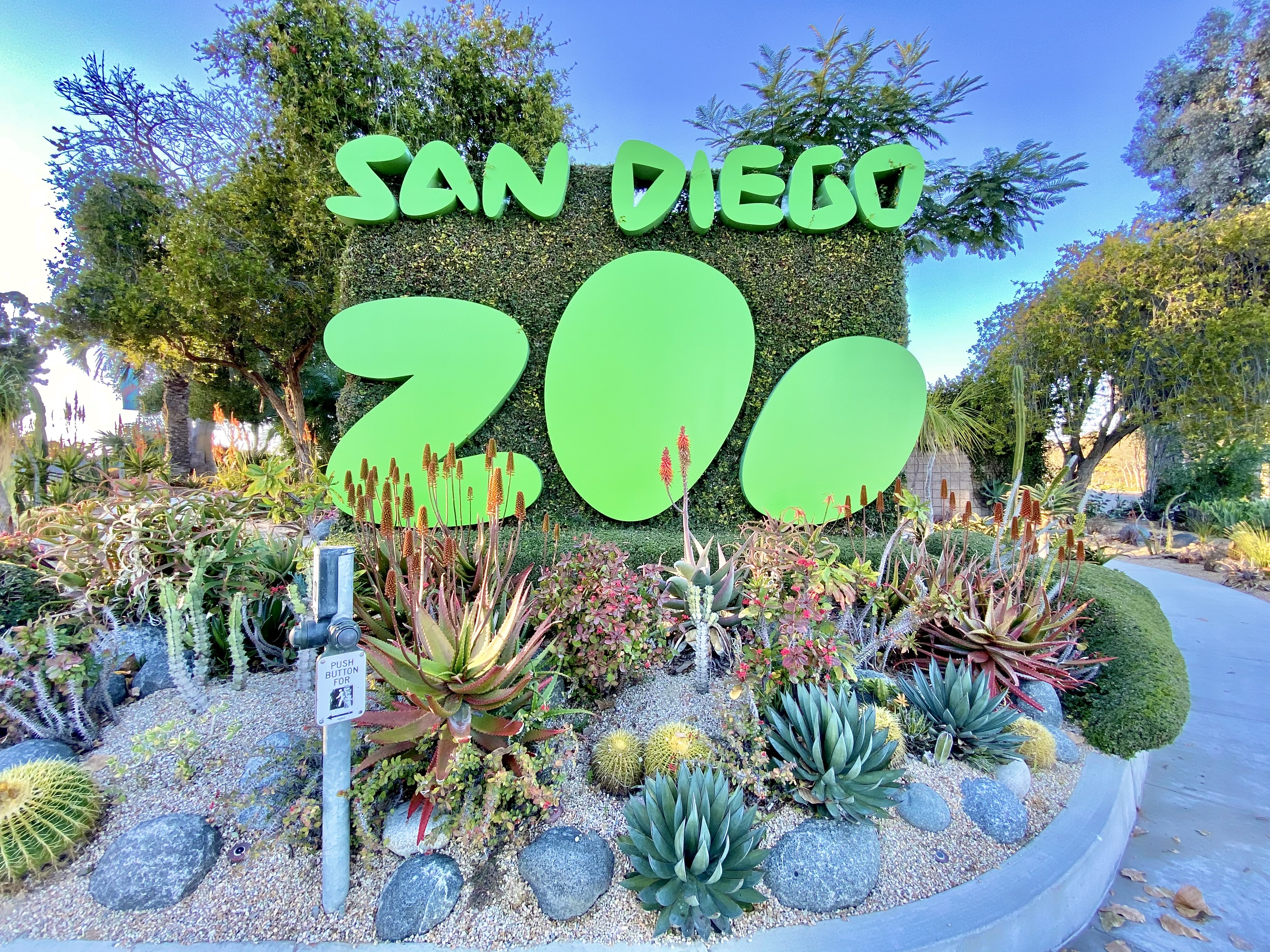
The San Diego Zoo trusts us to paint enclosures a few feet from animals that could end a person's afternoon permanently. My teenage son will not trust me to touch the aux cord in his car. Trust, it turns out, is not evenly distributed. But the Zoo's version is the one that matters here, and it is the version every facility manager is chasing when they go looking for commercial painting contractors in San Diego.
This is a local guide to how that trust gets earned and how you verify it before you sign — for interior, exterior, and specialty commercial work, not just one slice of it. We will cover what commercial painting contractors actually do, what the work costs across San Diego County, the property types and neighborhoods we work in, the six-point checklist we would use to hire a painter for our own building, and the red flags that separate a job that lasts a decade from one that fails in year two. Penney's Professional Painting has been doing commercial work across San Diego County since 2007 — hotels, shopping centers, universities, warehouses, hospitals, apartments, and yes, the Zoo. We have used zero subcontractors in those 18 years, and that one number explains more than you would expect.
What “trusted” actually means for a commercial contractor
Being a trusted commercial painting contractor is not a marketing line — it is a measurable thing made of documents, references, and finished jobs that did not fail. When a facility manager calls a painter “trusted,” they mean four specific things were true.
The contractor was accountable. One named person owned the scope from walkthrough to final inspection. On a commercial job — interior or exterior — the difference between a finish that holds and one that fails is almost always prep, and prep is the easiest corner to cut quietly. Accountability is what stops that corner from being cut.
The work was specified, not improvised. A trusted contractor tells you the manufacturer, the product number, the number of coats, and the prep scope before any money changes hands — and then does exactly that. There is no daylight between the proposal and the finished wall.
They told the client the truth, including the inconvenient parts. The most trusted contractors are the ones who say “don't paint this yet, fix the water problem first” — even though it costs them the job that week. A painter who only ever agrees with you is selling, not advising.
The finish survived contact with reality. Coastal UV, salt air, high-traffic scuffing, wash-downs, thermal movement, and time. A surface that looked great on handoff and still looks right four years later is the only proof that counts. Everything before that is a promise.
The San Diego Zoo: local trust on a job with no margin for error
The San Diego Zoo is an ongoing client of ours, and the work is not what most people picture. It is not gift shops and ticket booths. It is the animal enclosures and habitat surfaces themselves — the walls, themed rockwork, and rails inside the spaces the animals actually live in. That is a different kind of commercial painting, and it is a useful example of what “trusted” has to mean before anyone hands you a brush in that environment.
A habitat coating answers to a stricter set of rules than an office repaint. It has to be safe in close proximity to animals. It has to survive constant wash-downs, direct sun, and weather without breaking down. And it has to disappear into a designed, naturalistic environment instead of reading as a fresh coat of paint. A bright, obvious, off-gassing finish is a failure on all three counts before it has even worn.
There is a local point in here too. An institution like the San Diego Zoo Wildlife Alliance could hire anyone. It works with painters who know the region, can be on site quickly, and have a standard the crew does not need re-taught every visit. That is the quiet advantage of hiring a local commercial painting contractor over a regional outfit that subcontracts the actual work to whoever is nearby: the people who walked the job are the people who do it, and they are a phone call away when something needs a touch-up. None of that shows up in a cheap bid. All of it shows up in whether they call you back — which, for us, they have.
We are deliberately not going to quote dollar figures or specific exhibits here, because that is not ours to publish. The point is narrower and more useful to you: the qualities that make a contractor right for a job with zero margin for error are the same qualities that make them right for your hotel in Mission Valley, your HOA in Carlsbad, or your warehouse in Otay Mesa. The stakes are lower, but the test is identical.
What commercial painting contractors actually do
A commercial painting contractor coats and protects non-residential buildings — inside and out — but the painting itself is the smallest part of the job. The work that determines whether the result lasts happens before and around the brush.
Painting commercial buildings means managing surface assessment, prep, product specification, access, traffic and occupant safety, scheduling around an operating business, and documentation — then applying the coating. A residential painter who is excellent on a single house does not automatically have the systems to run a 300-unit complex, a multi-story office, or a hospital wing. The skill that separates commercial contractors is coordination under constraint, not brushwork.
So what is a commercial painter? Someone who can deliver all of this, on a building that cannot stop operating while they do it:
- Interior commercial finishes: washable, scrubbable eggshell and semi-gloss systems for offices, retail, lobbies, corridors, and high-traffic walls — plus low-VOC and specialty finishes where the occupancy requires them.
- Exterior coatings: stucco, metal, wood, and concrete systems — standard acrylic, elastomeric, or direct-to-metal — selected for San Diego's coastal UV and salt air.
- Prep: pressure washing, scraping failed coating, opening and filling stucco cracks, rust-inhibiting primer on metal, drywall and surface repair, caulking, and masking. This is where the money and the durability actually live.
- Specialty work: epoxy and floor coatings, cabinet and casework refinishing, and themed or habitat surfaces that have to meet a safety or design standard, not just a color.
- Access, safety, and documentation: ladders, lifts, and scaffolding run to OSHA scaffolding and fall-protection standards, with the public and occupants protected, and a written record of products and colors for the facilities team.

Commercial painting across San Diego County
Commercial painting in San Diego covers a wide range of property types, each with its own operational constraints. Here is what we work on and what matters in each — from the coast to the inland valleys.
HOAs and multi-family communities
HOA and apartment repaints are the largest category of commercial work we do across the county. The scope usually includes building exteriors, carports, perimeter walls, and common-area interiors, with CC&R color compliance, board-ready scope letters, and phasing around occupied units. HOA painting and apartment painting are about coordination with property managers and consistent color across every building — not just showing up with brushes.
Hotels, retail, and offices
Hospitality and retail cannot close while you paint. Most of this work happens at night or on weekends with low-odor waterborne finishes, room by room or section by section. Hotel and hospitality painting and commercial office interiors run on a schedule the facility can actually live with, with the space back in service the next morning.
Medical, industrial, and institutional
Hospitals and medical offices require low-VOC or no-VOC products and strict containment in occupied areas. Warehouses and industrial buildings often pair wall coatings with floor systems. Institutional clients — universities, civic facilities, and yes, the Zoo — bring specialty requirements that reward a contractor who has done the work before. These are the jobs where product knowledge is the difference between a finish that performs and one that just looks fine on day one.
Where we work
We are based in La Mesa and work the whole county. That includes coastal communities where salt air and the marine layer drive product and scheduling decisions — commercial painting in La Jolla, Del Mar, Encinitas, Coronado, and Point Loma — and inland areas like La Mesa, Escondido, and Poway, where afternoon heat shapes the application window instead. The right approach is not the same on a Carlsbad building a mile from the ocean as it is on an Escondido one twenty miles inland, and a local contractor builds that into the plan.

Commercial painting cost in San Diego
Commercial painting in San Diego runs $1.50–$4.00 per square foot for interiors and $2.00–$6.00 per square foot for exteriors. Commercial painting rates vary by surface type, access, product specification, and condition. Here is what the work typically costs by scope:
| Scope | Typical range | Notes |
|---|---|---|
| Interior repaint (office, retail) | $1.50–$3.50/sq ft | Prep, prime where needed, 2 coats |
| Interior (hospital, food service) | $2.00–$4.00/sq ft | Specialty low-VOC or antimicrobial finish |
| Exterior stucco repaint | $2.00–$4.50/sq ft | Full prep, standard or elastomeric system |
| HOA / multi-family exterior | $2.50–$5.00/sq ft | Per building, stucco repair in scope |
| Multi-story (lift / scaffold) | $3.50–$6.00/sq ft | Access equipment drives the premium |
| Warehouse / industrial | $1.25–$3.50/sq ft | Wall and floor coatings combined |
| Specialty / themed surfaces | Quoted per scope | Habitat, faux finish, custom systems |
The two biggest cost drivers are access and condition. A building that needs swing-stage scaffolding or a boom lift costs more per square foot than a single-story strip you can reach from a ladder. A surface with heavy chalking, failed coating, or significant stucco or drywall damage costs more to prep correctly than one in good shape — and the prep is exactly what a low bid quietly removes.
The third driver is product specification. A standard acrylic is not an elastomeric, and neither is a specialty habitat or industrial coating. Each costs more in material and labor than the last, and each buys a different amount of service life. A trustworthy contractor tells you which one your building actually needs and why — not just which one wins the bid.
One thing worth knowing about commercial painting cost per square foot: it is a useful planning number, not a quote. Nobody can responsibly price commercial work over the phone or off a satellite photo. A walkthrough is required to assess condition, access, and product needs. Any contractor who skips that step is guessing, and the guess is built to land low enough to win and high enough to cut prep. For a fuller residential and commercial breakdown, see our guide to exterior painting cost in San Diego.
How to vet a commercial painting contractor
Here is the checklist we would use if we were on the other side of the table, hiring commercial painting contractors in San Diego for our own building. Run every bid through all six.
1. Verify the C-33 license yourself
In California, painting contractors must hold a valid C-33 (Painting and Decorating) license. Do not take the number on the proposal at face value — enter it on the CSLB license verification tool and confirm it is active, in the right classification, and shows workers' compensation on file. A license listed as “workers' comp exempt” means a sole proprietor with no employees, which on a commercial job usually means subcontractors. Our license is CA #794402-C33.
2. Get the insurance certificate, not just a yes
Commercial jobs require general liability insurance with limits appropriate to the property, plus workers' compensation for the crew. Ask for the actual certificate of insurance — the document — and confirm the coverage is current. “We're insured” is a sentence, not a certificate.
3. Ask for local commercial references of similar scope
A contractor who does beautiful houses may not have the systems for commercial scheduling, phasing, and documentation. Ask for three references from commercial jobs like yours, ideally in San Diego County — facility managers, HOA boards, property managers — and call them. Ask three questions: Did they hold the schedule? Did the finish last? Would you hire them again?
4. Read the scope like a contract, because it is one
A real commercial proposal names every surface, the product by manufacturer and number, the number of coats, the prep scope, the access method, and the schedule. A line that reads “paint the building — $X” is not a scope. It is a number designed to win without committing to anything, and when the prep turns out to be more than they implied, the only direction that number moves is up.
5. Make them explain the coating system
Ask what system they are specifying and why. A contractor who knows commercial work can tell you why they are recommending a standard acrylic versus an elastomeric on your stucco, or a scrubbable semi-gloss versus an eggshell on a high-traffic interior, and what the service-life difference is. If the answer is vague, they are specifying whatever is in the truck, not what your building needs.
6. Find out who is actually on site
Ask whether the people doing the work are employees or subcontractors, and whether the same crew finishes the job it started. Rotating subcontractor crews cannot guarantee consistent quality across a large building or a multi-phase project. This is the single biggest predictor of how a commercial job turns out, and it is the question most owners forget to ask.
Specialty coatings and high-stakes surfaces
Not all commercial work is drywall and acrylic. The jobs that separate genuine commercial industrial painting services from general painters are the specialty coatings — and they are exactly the jobs where trust is non-negotiable, because the wrong product is not a cosmetic mistake, it is a failure.
Elastomeric systems. Thick-film coatings that stretch and recover with the substrate, bridging cracks and providing a waterproof film. On San Diego stucco with thermal movement or a history of cracking, an elastomeric is frequently the right call. It costs more and takes longer to apply correctly.
Direct-to-metal and rust-inhibiting coatings. Rails, railings, structural steel, and fencing need a metal-specific system. Skipping the rust-inhibiting primer on metal is one of the most common ways a commercial job starts failing within a year.
Epoxy and floor systems. Warehouse, retail, and industrial scopes often pair wall coatings with a commercial epoxy floor coating. We handle both under one scope rather than coordinating two trades — the prep standards are similar and the accountability stays in one place.
Habitat and themed surfaces. The specialty end — coatings that have to be safe around animals, survive constant wash-downs, and vanish into a designed environment. This is the category our Zoo work falls into, and it is where product knowledge matters most. A finish chosen for color alone, with no regard for off-gassing, durability, or how it reads in context, fails the brief no matter how neatly it is applied.
Across all of these, low-VOC and compliant product selection is part of the job, not an upgrade. The EPA's guidance on volatile organic compounds is worth understanding if your building is occupied, near sensitive uses, or — as in the Zoo's case — shared with living things that did not consent to a paint job.
Working around an operating facility
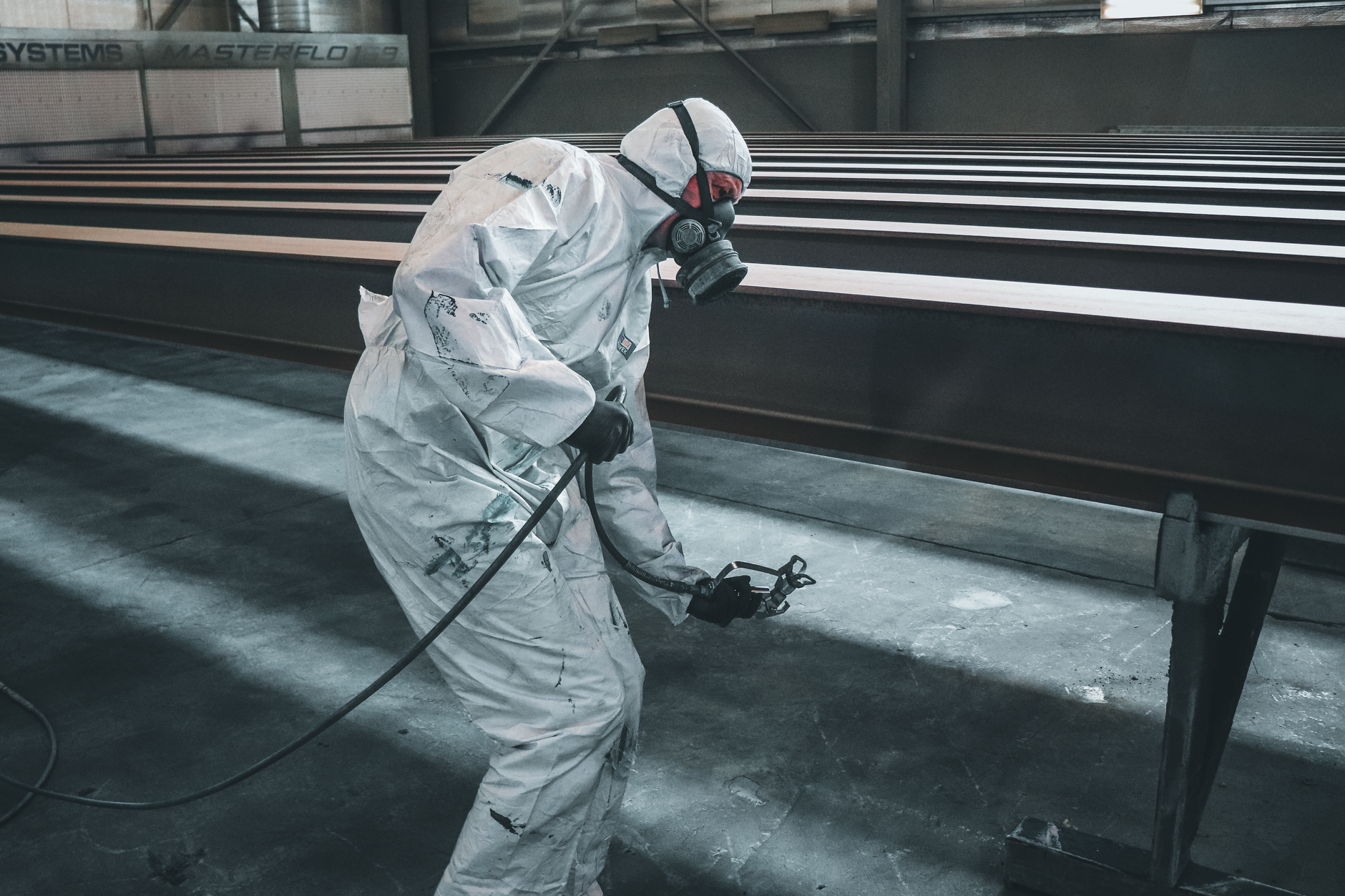
Commercial painting that disrupts operations costs the owner more than the paint job itself. An office that cannot be occupied loses productive hours. A hotel that closes a wing loses room revenue. A zoo cannot stop the animals from living in the space while it gets coated. Scheduling around the operation is not a favor — it is part of the scope, and a trusted contractor builds the plan into the proposal.
For occupied commercial properties, the work usually runs on one of three models:
- Night and weekend work: standard for offices, retail, and hotel corridors. Low-odor waterborne finishes, space back in service the next morning.
- Phased scheduling: standard for large HOA complexes and multi-building campuses. Work moves building by building so the whole property is never disrupted at once.
- Section isolation: standard for hospitals, food service, occupied retail, and sensitive environments. Work is contained to one area with temporary barriers while the rest operates normally.
The mark of a trustworthy contractor is that the schedule is in writing before work starts, and any change is communicated before the workday begins — not at 7 AM when your tenants, guests, or keepers are already arriving.
Red flags: how the low bid wins, then fails
There is an old saying in the trades: the cheapest bid wins the job, and the second-cheapest bid gets called back when it fails. On commercial work, that pattern is so reliable it is almost a law. Here is how to spot the bid that is built to fail.
A scope with no products named. If the proposal does not say what is going on the wall and how many coats, the contractor has left themselves room to use less of something cheaper. Named products are a commitment; vague scopes are an escape hatch.
A price that skips the walkthrough. A number produced without anyone seeing the building is a number produced without seeing the prep. It will be low to win and will grow once the real condition shows up — or the prep simply will not happen.
No clear answer on who does the work. Here is the opinion we will stake on a number: the single biggest predictor of whether a commercial finish lasts is whether the same accountable crew does the whole job — and we have run zero subcontractors in 18 years for exactly that reason. A contractor who staffs your building with whichever sub was available that week cannot hold a consistent standard across it, and consistency is the entire point on a large or phased job. If a contractor cannot tell you plainly who will be on site, that is the answer.
Pressure to skip prep to hit a date. A contractor who agrees to compress four weekends of work into two is agreeing to deliver a finish that reflects that decision. The willingness to say no to an unrealistic timeline is itself a trust signal.
When you should not hire a commercial painting contractor
Not every building is ready to be painted, and not every job should go to a painter at all yet. Here are the situations where we tell clients to handle something else first — even though it means we do not get the job today.
Active water intrusion. If water is getting in through the roof, windows, or stucco, a new coating traps moisture and accelerates the damage. Fix the water source first. Painting over it is spending money to make the problem harder to find.
Structural stucco failure or movement. Blowouts, delamination, and stair-step or diagonal cracks can indicate foundation or structural movement. Those need a contractor or structural engineer to assess the cause before any coating goes on. Paint hides structural problems temporarily and costs you more later.
Deferred maintenance that exceeds the painting budget. On some buildings the real prep scope — stucco repair, dry rot, failed-coating removal — is larger than the paint budget. The right move is to re-scope or phase the project honestly, not to spend the whole budget on a coat that fails in three years because the substrate was never addressed.
A timeline that does not allow proper prep. If the board, the facility, or the calendar demands a schedule that does not leave room to do the prep correctly, the finish will reflect that. We will tell you what a realistic timeline looks like and let you decide — but we will not compress the prep to make an impossible date.
And one specific to specialty work: if your building needs a coating with a regulatory or safety profile a contractor cannot speak to fluently — animal-safe, food-service-rated, low-VOC for a sensitive occupancy — do not let them learn on your job. Hire someone who already knows the standard.
For commercial painting across San Diego County — offices, HOAs, hotels, warehouses, and specialty work, interior and exterior — call us directly at (619) 861-9377. Joe or Alex will come out, look at the building, and give you a written scope with products and prep named. No forms, no hold music, no coordinator between you and the people doing the work. We have been doing this in San Diego since 2007, and we will tell you the same thing in person that we just wrote here.
See also our companion guide on hiring a commercial painter in San Diego.
FAQ
What do commercial painting contractors do?
Commercial painting contractors coat and protect non-residential buildings inside and out — offices, retail, HOAs, hotels, medical, warehouses, and specialty facilities. The job covers surface assessment, prep, product specification, access and safety, scheduling around an operating business, application, and documentation. The painting is the smallest part; prep and coordination are what determine whether the result lasts.
How much does commercial painting cost per square foot in San Diego?
Commercial interior painting in San Diego runs $1.50–$4.00 per square foot and exterior painting runs $2.00–$6.00 per square foot, depending on surface condition, product specification, and access. Hospital and food-service interiors run toward the higher end; single-story interiors in good shape run toward the lower end. Specialty and themed surfaces are quoted per scope, and no responsible contractor prices the work without a walkthrough.
How do I verify a commercial painting contractor's license in California?
Use the CSLB license verification tool at cslb.ca.gov and enter the contractor's name or license number. Confirm the license is active, in the C-33 (Painting and Decorating) classification, and shows workers' compensation on file. A license listed as workers' comp exempt usually means a sole proprietor relying on subcontractors. Our license is CA #794402-C33.
What insurance should a commercial painting contractor carry?
General liability insurance with limits appropriate to the property value, plus workers' compensation for the crew. Ask for the actual certificate of insurance and confirm it is current — not just a verbal confirmation that coverage exists. On commercial work, an uninsured contractor's accident can become the property owner's problem.
Do commercial painting contractors handle interior and specialty work too?
Yes. A full-service commercial painting contractor handles interior finishes, exterior coatings, and specialty work — epoxy and floor systems, cabinet refinishing, metal coatings, and themed or habitat surfaces. Ask the contractor to explain the system they would specify for your particular surface and occupancy; the ability to answer that fluently is the tell that they do more than basic repaints.
Do commercial painting contractors work around an operating facility?
Yes. Occupied commercial work typically runs on night and weekend scheduling, phased building-by-building scheduling, or section isolation with temporary barriers, depending on the property. Low-odor waterborne finishes let occupied spaces return to service quickly. The schedule should be documented in writing before work starts.
How many bids should I get for a commercial painting project?
Three is a reasonable number for most commercial projects. Compare them on scope, not just price — a real proposal names products, coats, prep, access method, and schedule. If one bid is dramatically lower, read it carefully: the gap is almost always prep or product that the cheap bid quietly removed.
What is the biggest red flag when hiring a commercial painting contractor?
A vague answer about who actually does the work. The single biggest predictor of whether a commercial finish lasts is whether the same accountable crew does the whole job. A contractor who staffs your building with rotating subcontractors cannot hold a consistent standard across it — which is the entire point on a large or phased project.
Penney's Professional Painting — commercial painting across San Diego County since 2007. Offices, HOAs, hotels, warehouses, interior, exterior, and specialty work, including the San Diego Zoo.
We do not quote commercial work without a walkthrough, and we run zero subcontractors. If the prep scope or timeline is not realistic, we will tell you before we take the job.
Walk the job with Joe or Alex.
Tell us what you're thinking. We'll come look, point out what we'd do differently, and only quote what we'd paint in our own house.