
How Long Does Exterior Paint Take to Dry in San Diego — and How Long Until It Is Cured
Joe Penney has been painting in San Diego County since 2007 and in the trade for over 35 years. Every job — residential, commercial, and specialty coatings — is run by Joe or his son Alex personally. No subcontractors, no franchise crews. CA License #794402-C33.
Quick answer
Exterior paint in San Diego is dry to the touch in 1–2 hours under good conditions and recoat-ready in 4–6 hours. Interior walls run a little faster. Fully cured is a different question entirely: general industry guidance puts a waterborne coating somewhere in the two-to-four-week range, and the product data sheet governs. Dry means the water has left. Cured means the film has hardened. On a coastal marine-layer morning the first clock barely starts, and on a 95°F inland afternoon it runs too fast.

Search how long does exterior paint take to dry and you get a number off the back of a can. Two hours. Four hours. Done. Touch-dry paint is the overconfident half of this story — it is a lot like a teenager announcing he is basically ready to go. Technically true. Nobody is going anywhere. The wall that feels dry under your palm at noon still has weeks of hardening left in it, and almost everything that goes wrong with a fresh paint job in San Diego County happens in that gap.
This guide is about the mechanics of that gap, and only that. Dry to the touch, dry to handle, dry to recoat, fully cured — what each stage actually permits, and what stretches or shortens it. If you are trying to work out which month to book an exterior, our guide to the best time of year to paint an exterior in San Diego covers the calendar and the scheduling windows. This one covers the hours and days after the sprayer is switched off. We have been painting San Diego County since 2007, with 35+ years in the trade behind the crew and zero subcontractors, so the person who tells you when you can push the couch back is the same person who painted the wall.
Dry and cured are two different events
Drying is physical. Curing is chemical. That single sentence explains most of the paint complaints we get called out to look at.
When a roller leaves waterborne paint on a wall, the film is mostly water carrying tiny plastic resin particles and pigment. Drying is the water and the co-solvents leaving that film and going into the air. That takes hours, and it is driven by exactly the things you would expect: temperature, humidity, and moving air.
Curing is what happens next, and you cannot see it at all. As the last water leaves, those resin particles are squeezed together and fuse into one continuous sheet — coalescence. In many modern coatings a second, slower reaction follows, where the resin cross-links and the molecules bond to each other. That is the process that delivers hardness, block resistance, scrub resistance and the 7–12 years of exterior service life a good San Diego repaint is supposed to give you. It runs for days and then weeks after the paint stopped looking wet.
So a dry film has nearly all of its final thickness and very little of its final toughness. It looks finished and behaves like something soft. That is why tape can pull a strip off a door jamb that has been painted for three days, why a couch cushion leaves a permanent shine on a wall that was painted last weekend, and why a garden hose can leave a cloudy patch on an exterior that looked bone dry. None of those are bad paint. They are a coating that got used before it was ready.
The four stages, and what each one lets you do
There are four checkpoints worth knowing, and the useful question at each one is not how it feels but what it will survive.
Dry to the touch means a light fingertip comes away clean. The surface has skinned over and the film underneath is still soft. Dust and insects stop sticking to it, which on an exterior is the main thing that matters. Nothing should press against it.
Dry to handle means light, brief contact will not mar the film. This is when tape comes off, when a window can be closed carefully, when switch plates go back on loosely, and when somebody can walk across a coated floor. Pull tape slowly and back on itself at a shallow angle, because ripping it off square to the wall at this stage takes paint with it.
Dry to recoat is the checkpoint most people get wrong, and it is the only one with a hard consequence. A second coat applied too early lifts, wrinkles or leaves a soft spongy film that never hardens properly, because the solvent in the fresh coat re-wets a layer that had not finished releasing its own water. The recoat window is a property of the product, not of your schedule.
Fully cured is maximum hardness, maximum washability, and full block resistance. This is the checkpoint that lets you scrub the wall, push a sofa against it, hang heavy art, lock a window shut for the night, or park a truck on a coated slab.
| Stage | General timing, good conditions | What it lets you do |
|---|---|---|
| Dry to the touch | 1–2 hours exterior, often under an hour interior | Stop worrying about dust and bugs landing in the film. Nothing presses against it. |
| Dry to handle | Several hours, same day | Pull tape slowly, close a window carefully, refit switch plates loosely, walk on a coated floor. |
| Dry to recoat | 4–6 hours exterior waterborne; alkyd and oil usually 24 hours | Apply the second coat. Earlier than this and the first coat lifts or stays soft. |
| Fully cured | General industry guidance: roughly two to four weeks for waterborne. The data sheet governs. | Wash and scrub it, push furniture back, hang heavy art, tape to it, park on a coated slab. |
Those cure figures are general industry ranges, not a Penney's specification and not a promise about the can in your garage. Cure time varies by product line, by sheen and by film thickness, and the technical data sheet for the exact product is the only document that governs. Ask your painter which product went on your house and what its data sheet says.
How long does exterior paint take to dry, stage by stage
On a normal San Diego day, exterior waterborne paint is dry to the touch in 1–2 hours and recoat-ready in 4–6 hours. Those are the numbers we schedule against, and on a mild March afternoon in La Mesa they hold up well.
The catch is where those numbers come from. Manufacturer dry times are measured in controlled conditions — the reference point across the industry is roughly 77°F and 50% relative humidity, with air moving. That is a laboratory, and it is also a decent description of an inland spring afternoon. It is nothing like a Del Mar morning in June, and it is nothing like an El Cajon wall at two in the afternoon in August.
Here is the opinion we will defend: recoating by the clock instead of by the surface is the single most common cause of the coastal exterior failures we get called out to look at. Not cheap paint, not thin coats — a second coat that went on at hour five because the schedule said hour five. The mechanism is simple. Evaporation needs somewhere for the water to go, and that depends on the gap between the surface temperature and the dew point. A coastal wall at 9 AM under a marine layer is sitting close to its dew point, which means the air immediately against it is already about as loaded with water as it can get. The film is not drying slowly. It is barely drying at all, and hour five on that wall is not the same event as hour five in Poway.
Two habits come out of that. We test rather than assume — a moisture meter on the substrate before the first coat, and a hand plus a look in raking light before the second. And we lay out the day by elevation and sun, not by crew arrival, which is the same logic behind the seasonal windows in our exterior painting season guide. A wall that was pressure washed yesterday is often not dry today, and stucco holds water deeper than it looks. If prep turns up soft or damaged wood underneath, we stop, flag it in writing, and tell you plainly that it is work for a licensed carpenter or general contractor. We paint once the surface is sound.
Seven things that change the timeline
Every dry time on every label assumes conditions. Change any of these and the number on the can stops describing your house.
- Air and surface temperature. These are not the same reading, and the surface is the one that matters. Most waterborne coatings want a surface between 50°F and 90°F. Below the bottom of that range coalescence slows down and can stop, which leaves a permanently weak film. Above the top of it the surface dries faster than the film can level.
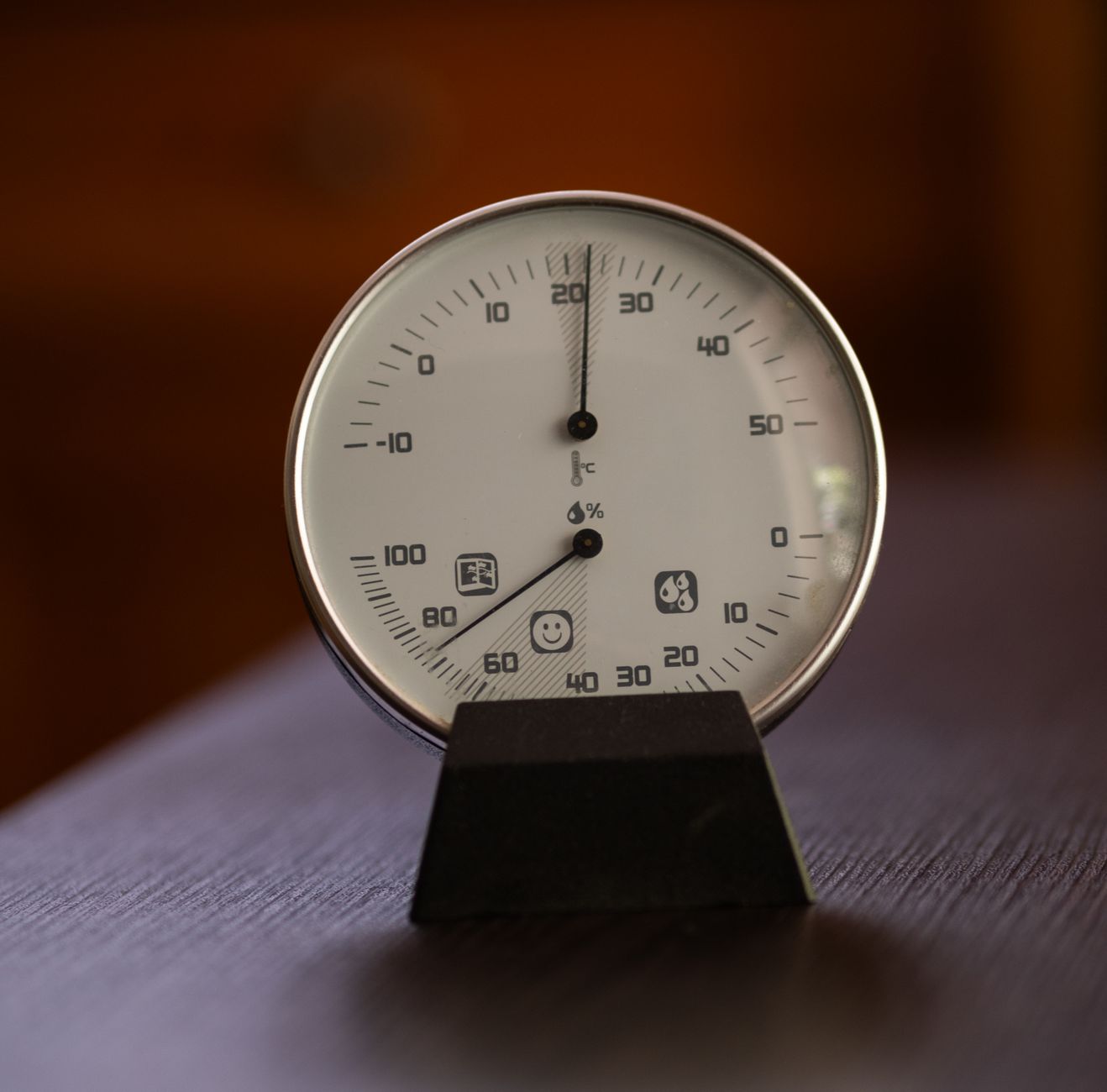
- Relative humidity and dew point. High humidity means the air has less room to accept water, so evaporation slows. Once a surface falls to its dew point, moisture condenses onto it instead. Above roughly 85% relative humidity we stop.
- Airflow. Moving air carries the saturated layer away from the surface and replaces it with drier air. It is the reason a shaded, still interior closet is the slowest spot in a house and a breezy west elevation is the fastest.
- Film thickness. Thick coats take much longer than proportion suggests, because the outer surface skins over and then traps the water underneath it. One heavy coat is not two coats, and it takes longer to cure than two properly applied coats would.
- Substrate porosity. Chalky old stucco pulls water out of the film fast, which can shorten working time to almost nothing. Dense, slick, previously coated surfaces do the opposite and hold the water in the film. Same paint, same day, two different dry times on two walls of one house.
- Sheen. A higher sheen has more binder in it, so a semi-gloss or gloss film takes longer to reach full hardness than a flat one — worth knowing before you close a freshly enameled door. Which sheen belongs on which surface is a separate decision, and our guide to paint finishes and sheens covers it.
- Product chemistry. Waterborne acrylics and latexes dry by evaporation and cure by coalescence. Alkyds and oils dry by oxidation, pulling oxygen out of the air to harden, which is a fundamentally slower process: commonly 6–8 hours to touch and around 24 hours to recoat. They cure harder and they cure slower, and they keep hardening for weeks.
The coastal problem: the marine layer stalls evaporation
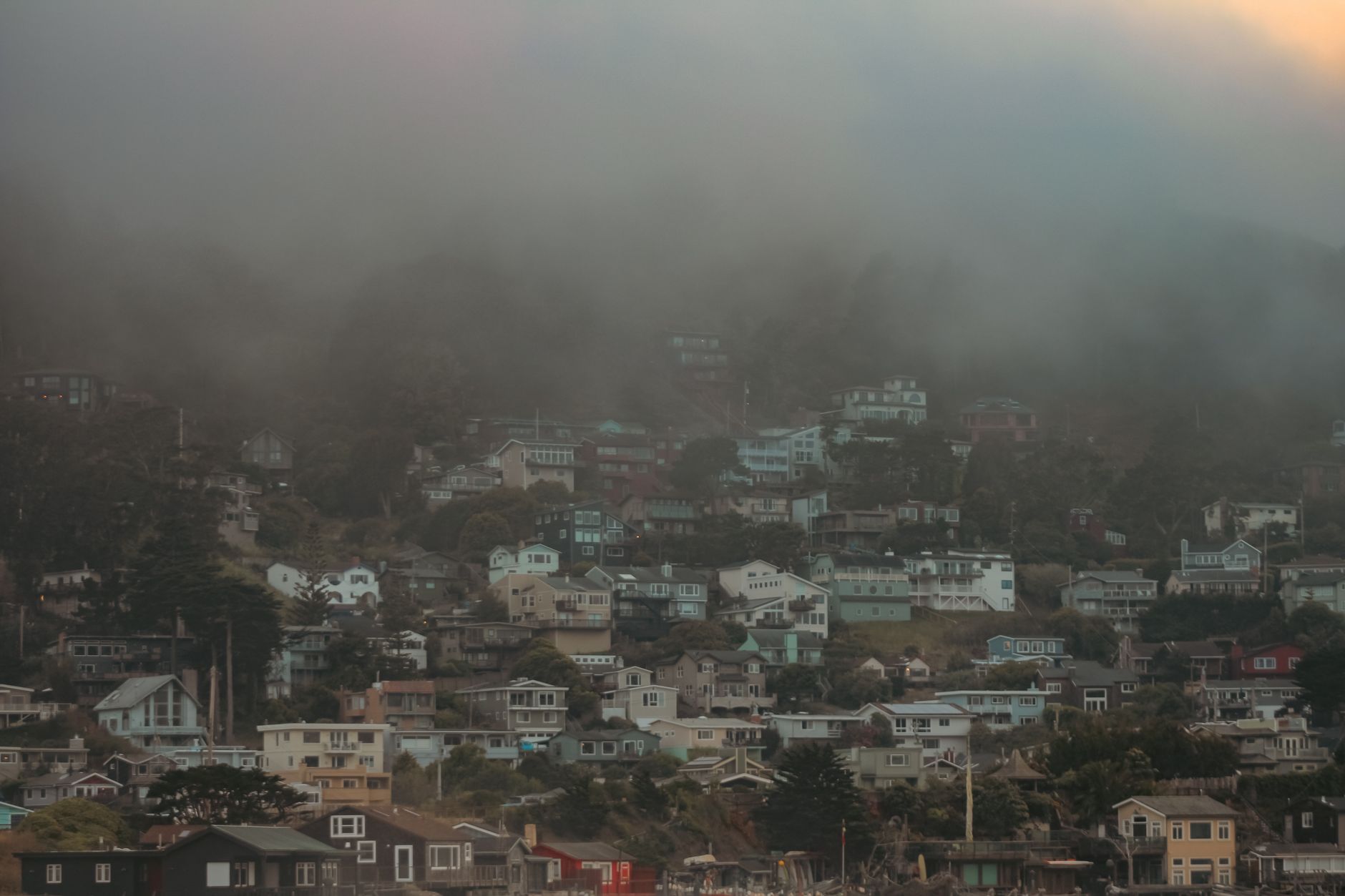
From roughly May through September, coastal San Diego mornings do two things to a drying paint film at once, and both of them push the same direction. Humidity stays high, and the cloud deck keeps the surface temperature low. High humidity means the air cannot take much more water. Low surface temperature means the wall sits near its dew point. Evaporation needs a gradient, and on those mornings there is barely one.
The marine layer itself is straightforward weather: cool, moist ocean air moving inland under a temperature inversion, producing low cloud that sits over the coast overnight and often into the late morning. The National Weather Service San Diego office forecasts how far inland it pushes and when it is expected to scatter, and in May and June it is a daily read for us rather than a curiosity.
What it does to timelines is concrete. On a Del Mar exterior in June, a coat that would be recoat-ready in four to six hours in Poway can still be soft in the afternoon, and the honest answer some days is that the second coat happens tomorrow. Stucco is worse than wood siding here, because the substrate itself holds moisture and gives it back slowly. A wall can read dry on the surface while the stucco behind it is still releasing water into the back of the film.
There is a second trap at the tail end of a coastal day. The marine layer usually comes back in the evening, so a wall painted at 4 PM can be sitting in condensing moisture by 9 PM with a film that has not hardened. That produces surfactant leaching — glossy tan or clear streaks running down a fresh wall, which look alarming and usually wash off once the film cures. The fix is scheduling, not product: last coat early enough that the film has real daylight hours behind it.
The inland problem: heat flashes the surface dry
Fifteen miles inland the failure mode inverts. In La Mesa, El Cajon, Santee and Escondido, summer afternoon air runs hot and dry, and a south- or west-facing stucco wall in direct sun gets far hotter than the air around it. Paint hitting that surface does not dry, it flashes.
Flashing off means the outer surface of the film sets before the paint below has flowed together. The consequences are visible and permanent. Brush and roller marks do not level out. Wet edges close early, so each new pass lands against a set edge instead of a wet one and leaves a lap mark — a visible band where two passes met, usually the full width of a roller and impossible to miss in low afternoon light. Worst of all, a film that skinned over instantly never wet the substrate properly, so adhesion is poor even though the wall looks painted.
That is the whole San Diego story in one sentence: the same county, the same product, the same week, and two opposite failure modes twenty minutes apart. The coast stalls the film. The inland valleys rush it. A crew that runs one schedule for both is going to lose on one of them.
The practical answer inland is to chase the shade. East elevations in the morning, west elevations once the sun has come off them, and no spraying stucco in direct 95°F sun. On the hottest days painting stops in the early afternoon and the crew does prep instead. If Joe or Alex is pulling the crew off a wall at 1 PM in Santee, this is the reason.

How long does interior paint take to dry in a closed-up house
Interior walls are usually touch-dry inside an hour and ready for a second coat in two to four hours. Cure is the part that surprises people: an interior often cures more slowly than an exterior, because the one thing a closed house does not have is moving air.
An exterior wall has the whole sky to dump water into. A bedroom with the windows shut has a fixed volume of air that gets steadily more humid as the paint dries into it, and then stays that way. The film keeps releasing water and the air keeps handing it back. That is why the second coat in a small closed bathroom behaves differently from the second coat in an open great room.
Ventilate deliberately. Open windows on two sides of the house so air crosses the room rather than sitting in it, and put a box fan in a window facing out so it pushes humid air outside, instead of aiming it at the wall where it can dry one patch faster than the rest. Run bathroom exhaust fans. Keep closet and cabinet doors open, because enclosed spaces are the slowest-drying surfaces in any house and a closet that gets shut on fresh paint can stay tacky for days. The EPA has straightforward guidance on ventilation and the compounds paint releases indoors, and the short version is that airflow matters both for the coating and for the people in the house.
What does not help is heat on its own. Cranking a space heater at a wall raises the surface temperature without changing the humidity, so it drives the outer skin dry while the film beneath stays wet — the indoor version of the inland flashing problem. Warm plus ventilated is good. Hot and sealed is worse than cool and open. If you want the details of how we sequence rooms and protect a house that is still being lived in, that is on our interior painting service page.
Blocking: why doors and windows stick after painting
Because two soft films pressed together will fuse. It has a name in the trade — blocking — and it is the most common complaint in the first week after an interior repaint that otherwise went perfectly.
The mechanism is the same cure story. A latex or waterborne enamel film stays slightly tacky and pressure-sensitive for days after it stops feeling wet, and it reaches its block resistance late in the cure rather than early. Press a freshly painted door face against a freshly painted jamb and hold it there overnight with a latch, and the two surfaces are not touching any more, they are joined. The same thing happens to a window sash against a painted stop, and to a cabinet door against a painted frame.
So leave things open. Doors stay ajar for several days, and longer on trim enamel, which is where the higher sheen and the heavier film both work against you. Do not lock or latch a painted window for the first few days; wedge it open a crack if the weather allows. Reinstall hardware once the paint is dry to handle, but do not torque hinges and strike plates down hard against a soft film, and leave switch plate screws snug rather than tight. Bumpers and a strip of wax paper between a door edge and its jamb are cheap insurance on a job that has to be closed up.
If something has already stuck, do not yank it. Run a flexible putty knife or a plastic blade slowly along the seam to break the bond, open it, and then leave it open to harden. Pulling a stuck door tears the film off both surfaces and turns a two-day inconvenience into a repaint.
How long does an epoxy floor take to dry
An epoxy garage floor works on a different clock, because it does not dry at all in the sense the rest of this guide uses. Two components are mixed and they react with each other. The hardening is chemical from the first minute, which means temperature controls the speed of the reaction, and a fan blowing across the slab does almost nothing except carry dust into your finish.
The broad industry picture: light foot traffic at around 24 hours at 77°F and noticeably longer when the slab is cooler, vehicle traffic typically around 72 hours, and maximum chemical and stain resistance nearer five to seven days. Hot tires are the real test, and they are the reason parking early is the mistake that shows. A warm tire sitting on a coating that has not finished cross-linking can lift it in a patch shaped exactly like the tire. As always, the product data sheet for the system on your floor is what governs, and a cool coastal garage in winter is not the same job as a La Mesa garage in August.
Cost, prep, slab moisture testing and what actually fails on San Diego slabs are covered properly elsewhere: start with our epoxy garage floor guide for the real process and the coating comparison, and garage floor paint versus epoxy if you are still deciding between the two.
When you should not trust the clock
This section costs us jobs, and we write it anyway. Four situations where the schedule is wrong and the surface is right.
- Do not recoat on schedule when the surface is still cold and damp. Four to six hours is a condition, not a countdown. If the wall is cool to the back of your hand and the first coat feels even slightly soft, the second coat will lift it or sit on trapped water. The job waits.
- Do not push furniture against a wall that is only dry to the touch. A sofa back or a stack of boxes held against a soft film for a week leaves a burnished shiny patch, or lifts paint off when it moves. Leave a couple of inches of air for several days, and give it the full cure window before anything heavy goes back tight against the wall.
- Do not wash a new exterior before it has cured. No hose, no scrubbing, no pressure washer. Check your irrigation too, because a spray head hitting the bottom three feet of a fresh wall every morning is the most reliable way to ruin a new exterior we know of. Light rain on a film past recoat stage is survivable. A pressure washer is not.
- Do not let a contractor open a coastal exterior at 7 AM in June because the crew showed up. That is a decision made for the crew, not for your house. If somebody is spraying a Del Mar or Encinitas wall while the marine layer is still sitting on it, ask what the moisture reading was. If there was no reading, you have your answer.
And one about hiring us. If you need an exterior finished by a hard date that does not leave room for weather, do not hire us for it. We will not spray a damp coastal wall to hit a Saturday, and we will say so at the estimate rather than on the day. Our post on when not to hire a painter is blunter still.
The short version: dry is hours, cured is weeks, and nearly every disappointment in a new paint job lives between the two. Give a fresh interior a few days before anything touches it and a few weeks before you scrub it, keep doors and windows open, and keep water off a new exterior until the film has hardened. For questions about dry times, recoat windows, or any exterior painting work in San Diego County, call us directly. No forms, no hold music — Joe or Alex on the line. We have been doing this in San Diego since 2007 and we will tell you the same thing we just wrote.
FAQ
What is the difference between paint being dry and paint being cured?
Dry means the water or solvent has evaporated out of the film, which takes hours. Cured means the film has finished hardening, which takes weeks. A dry wall has almost all of its final thickness and very little of its final toughness, so it can be looked at but not leaned on, taped, scrubbed or loaded. General industry guidance puts full cure for a waterborne coating in the two-to-four-week range, and the product data sheet is the document that governs.
How long does it take interior paint to dry in a San Diego home?
Touch-dry in about an hour and recoat-ready in two to four hours for most interior waterborne paint. Cure runs on the same weeks-long clock as exterior work, and it is often slower indoors because the air is not moving. Open windows on two sides of the house, put a fan in a window facing out, and leave closet and cabinet doors open — enclosed spaces are the slowest-drying surfaces in the house.
When can I put furniture back against a freshly painted wall?
Move it back into the room once the paint is dry to handle, but keep a couple of inches of air between the furniture and the wall for several days, and wait out the full cure window before anything heavy sits tight against it. A soft film under steady pressure either burnishes to a shiny patch or comes away with the furniture when it moves. Felt pads on a headboard or a sofa back are worth the trouble.
How soon can a newly painted exterior get wet or be washed?
Light rain on a film that is well past its recoat stage is usually survivable. Deliberate washing is not: no hose, no scrubbing and no pressure washer until the coating has cured, which is a multi-week window rather than a multi-day one. Check the irrigation before we leave, because sprinkler heads hitting a fresh wall every morning do more damage than weather does.
Why do doors and windows stick after painting, and how do I fix it?
Because two soft paint films pressed together fuse, which the trade calls blocking. Block resistance arrives late in the cure, so a door latched against a fresh jamb overnight can bond to it. Leave doors ajar for several days, do not latch painted windows, and use a strip of wax paper where two painted surfaces have to meet. If something has already stuck, break the seam slowly with a flexible putty knife rather than pulling it, then leave it open to harden.
Does running a fan or a heater make paint dry faster?
A fan does help, if it is moving humid air out of the room rather than blasting one wall. Airflow removes the saturated layer of air sitting against the surface, which is what actually limits evaporation. A heater aimed at a wall is a bad idea: it raises surface temperature without lowering humidity, so the outer skin sets while the film underneath stays wet. Neither one shortens cure time, which is chemistry rather than evaporation.
How can I tell if the second coat went on too early?
Look for wrinkling or ridging that appeared as the second coat dried, soft spots that dent under a fingernail days later, patchy sheen across an otherwise even wall, and paint that lifts in a sheet when tape comes off. On an exterior, a film that stays tacky in the sun days after application is the tell. The fix depends on how far it went, and it usually means sanding back the affected area rather than adding another coat on top.
Do cold San Diego nights matter more than daytime temperature?
Often yes, and it is the reading most people never check. A wall can be a comfortable 70°F at 2 PM in December and drop under the minimum application temperature by 9 PM, which stalls coalescence overnight and can leave a permanently weak film. Coastal nights add condensation to the same problem. That is why late-season exterior work gets finished early in the day rather than late, and why we watch the overnight low as closely as the afternoon high.
Penney's Professional Painting — interior, exterior, and specialty coating work across San Diego County since 2007. CA #794402-C33, bonded and insured, zero subcontractors.
We write the recoat and cure windows for your actual product into the proposal, and we will tell you which day you can move the furniture back before you ask. If conditions are wrong, we reschedule instead of spraying. Estimates are free.
Walk the job with Joe or Alex.
Tell us what you're thinking. We'll come look, point out what we'd do differently, and only quote what we'd paint in our own house.