
HOA Painting in San Diego: How a Board Actually Runs a Community Repaint
Joe Penney has been painting in San Diego County since 2007 and in the trade for over 35 years. Every job — residential, commercial, and specialty coatings — is run by Joe or his son Alex personally. No subcontractors, no franchise crews. CA License #794402-C33.
Quick answer
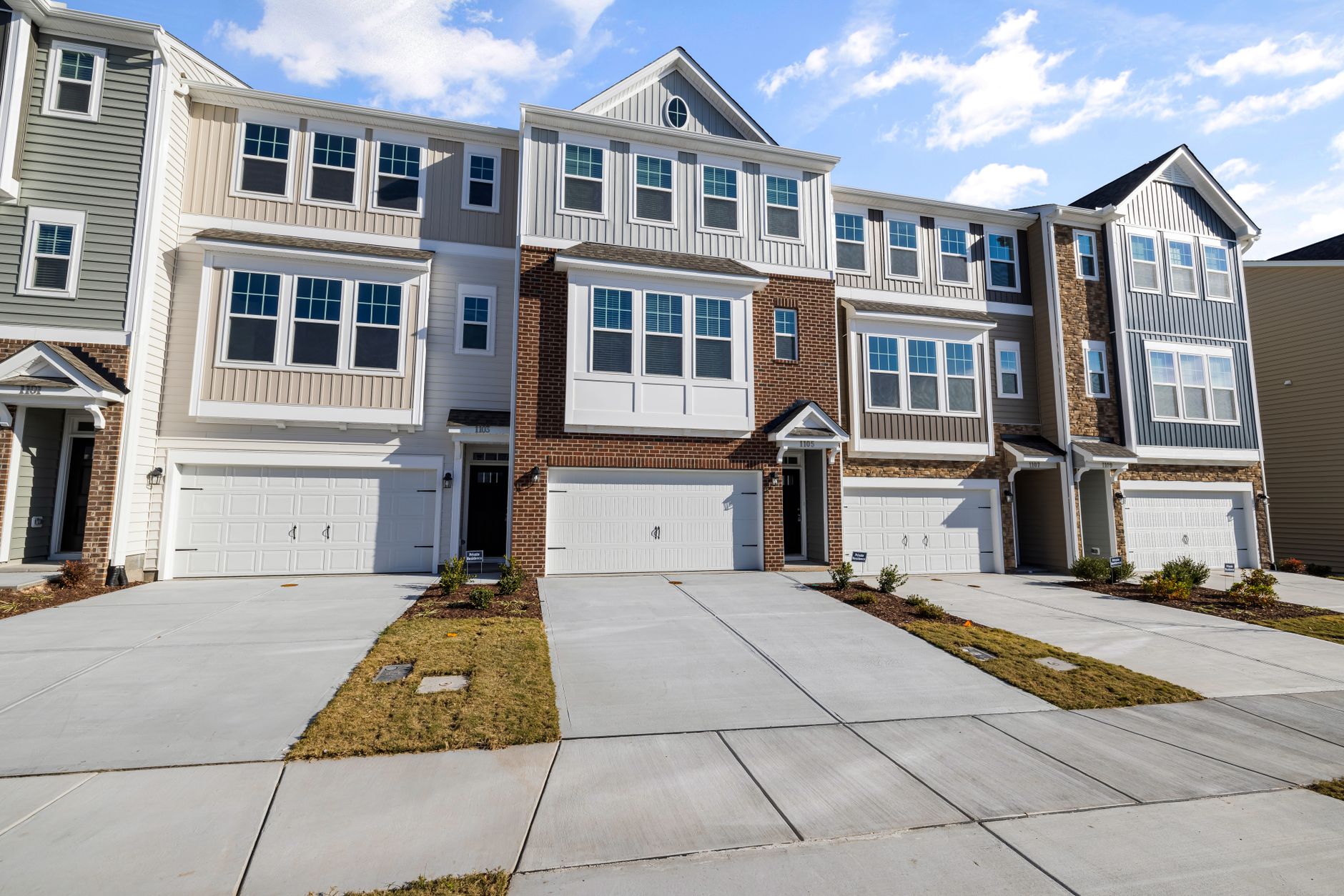
An HOA painting project in San Diego runs on six steps, not one: condition assessment, reserve funding, a written scope, bid comparison, board and architectural approval, then phased construction. Community exteriors sit inside the published commercial range of $2.00–$6.00 per square foot, but nobody should price an HOA exterior repaint without walking the property. Budget six to twelve months from first assessment to final walkthrough on a multi-building community.
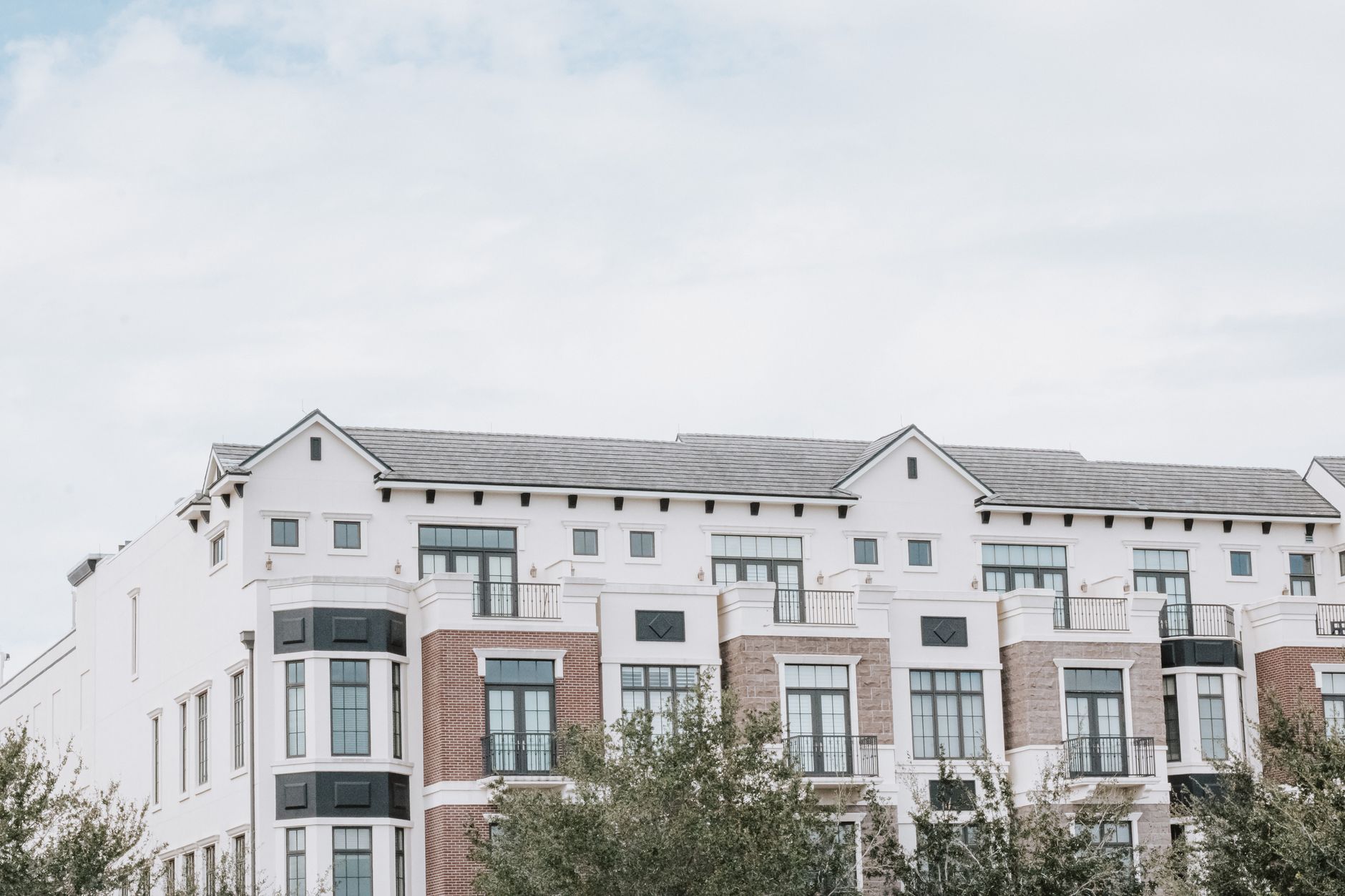
Every board we have worked with in San Diego County has spent more time on the color than on the prep. We once sat in a meeting where eleven minutes went to the surface preparation spec and fifty-five went to whether the trim should be almond or bone. Both, for the record, are white with a good publicist. Color is the part everyone gets an opinion on. Prep decides whether the community does this again in six years or in twelve.
This guide is not what HOA painting in San Diego costs, and not another checklist for vetting a contractor — we have written both. This is how a board runs an HOA exterior repaint end to end: telling due from dated, funding it from reserves, writing a scope that makes three bids comparable, the approval path, phasing, and the calendar. We have painted San Diego County communities since 2007, with 35+ years in the trade behind the crew, and the failures we get called in to fix are rarely failures of painting. They are failures of scope.
Step 1 — Is the community actually due?
A community is due when the coating is failing, not when the color is dated. Those are different problems with different price tags, and a board that cannot tell them apart will either spend reserves years early or wait until the stucco itself needs repair.
Coating failure is specific and visible. Run a dark sleeve down a sunny wall and see how much chalk comes off. Look for fading far worse on south and west elevations than north, hairline cracking that has opened into visible lines, lifting at the base of walls where sprinklers hit, rust bleeding through railing paint, peeling fascia, and walls gone flat and porous. Those are end-of-service-life signals. A dated color scheme is not.
Do the assessment building by building and write it down building by building. It is the most useful document a board can produce before it talks to a single contractor, because it turns "the community needs painting" into "buildings 4, 7, and 9 are failing on the west elevations, buildings 1 through 3 have three years left, and the carports need attention now."
For each building record: which elevations are failing and how badly, the number and width of stucco cracks, condition of trim, fascia, doors, railings, and any wrought iron, whether any wood is soft to a screwdriver, and whether sprinklers hit the walls. Photograph everything with the building number visible.
Boards underestimate irrigation. We have walked inland North County communities where three buildings looked twice as old as the rest, and the only variable was a sprinkler head throwing water on stucco every morning for nine years. Fix the head before the painters mobilize, not after.
For reserve planning, well-prepped coatings on San Diego stucco generally run in the seven-to-twelve-year band — coastal exposures at the short end, protected inland elevations at the long end. That is a planning range, not a promise.
Why coastal and inland communities fail differently
San Diego County does not have one repaint problem. It has two, and which one you have depends mostly on distance from the water. HOA density here concentrates in the planned communities — Carlsbad neighborhoods like La Costa, Bressi Ranch, and Aviara, plus Encinitas, Del Mar, and the Coronado Shores and Cays. They do not age the same way.
Coastal communities are a corrosion problem. Within about a mile of the water, salt aerosol settles on everything and stays. It works under coating film at edges and fasteners, and it attacks metal first. On a Coronado property the railings, gates, stair stringers, light poles, and wrought iron fail years before the stucco needs anything. A coastal scope has to specify rust-inhibiting primer on ferrous metal, a salt-rated topcoat system, and the labor to take rust back to sound metal rather than paint over it. Paint over active rust on a coastal railing and it comes back through the new coating within a season or two.
Coastal properties also carry a scheduling constraint inland properties do not. The marine layer sits over the coast through late spring and early summer and holds surface moisture into the morning, so crews start later and the usable painting window is shorter. The National Weather Service San Diego office publishes the forecasts we plan around. A board scheduling a coastal Encinitas community for June should expect a slower calendar than the same building count inland.
Inland communities are a UV and thermal problem. Ten miles from the coast the salt goes away and relentless sun replaces it. South and west elevations chalk and fade years ahead of the rest of the building, and the daily heat-and-cool cycle opens stucco cracks. Much of Carlsbad went up in the same building booms, so whole communities reach the same stucco-cracking stage at once. That hairline cracking is normal thermal and shrinkage movement, not a building coming apart — but it still has to be opened, cleaned, filled, and textured before coating, and that repair volume is exactly the line item bidders leave vague.
The practical consequence: a community spread across a slope or a large site may need two specifications in one scope. We routinely write a heavier system for exposed elevations and a standard system for protected ones. That is not an upsell — it is how you avoid paying coastal money for a courtyard wall that never sees weather.
Step 2 — Funding it from reserves
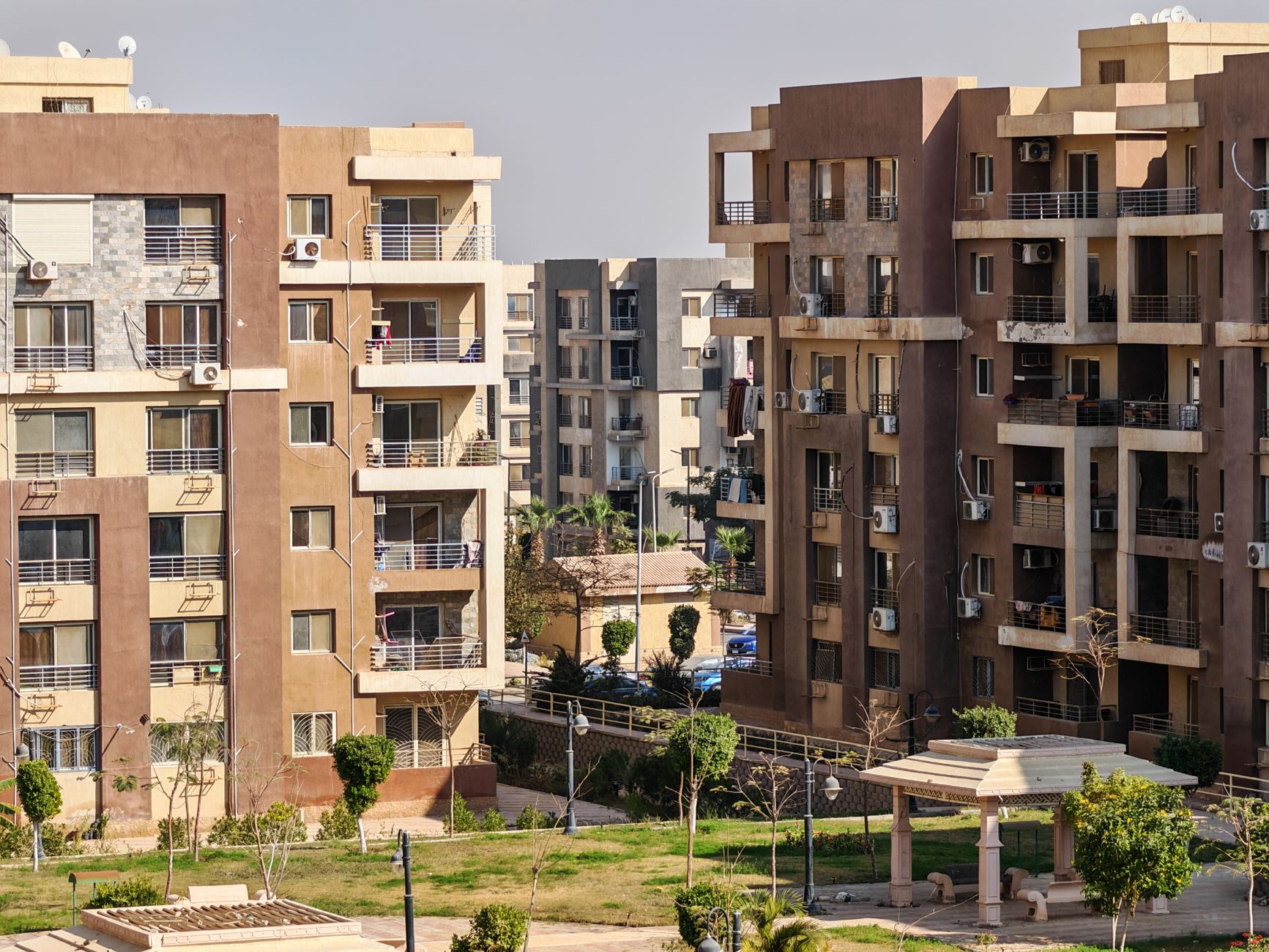
Exterior paint is almost always a defined component in an association reserve study, with its own estimated useful life, remaining useful life, and replacement cost. Read that line before anything else. If your analyst has paint on a ten-year cycle and you are in year six, repainting now pulls four years forward — which may be entirely correct if the coating is failing, but it is a decision, and it should be minuted as one.
California associations operate under the Davis-Stirling Common Interest Development Act. At a high level, the Act requires an association to have a reserve study prepared from a diligent visual inspection of the major components it maintains at least once every three years, to review the reserve funding plan annually, and to cover components with a remaining useful life under thirty years. The state publishes the full text on California Legislative Information. We are painters, not attorneys and not reserve specialists — confirm how any of this applies to your association with your association counsel and your reserve analyst. We raise it only because the paint component is the one boards most often discover late.
The awkward conversation is what happens when the reserve balance does not cover the bids. That happens often: reserve studies estimate paint from a per-unit or per-square-foot factor, and factors lag the market. When the gap appears, a board has four routes, and all four are legitimate.
| Funding route | How it works | The trade-off |
|---|---|---|
| Fully funded from reserves | The paint component covers the awarded contract | Cleanest route, if the study was current and the factor realistic |
| Special assessment | Members are assessed a one-time amount for the shortfall | Fastest to raise, hardest politically; approval rules vary by document |
| Association loan | Bank loan against future assessments, repaid over years | Spreads cost across owners, adds interest and lender conditions |
| Phase the project | Failing buildings this year, the rest in later budget years | Fits the money you have; costs more in total and risks color drift |
Phasing deserves a warning contractors rarely volunteer. Splitting a community across three budget years buys three mobilizations and buys color drift — manufacturers reformulate, batches vary, and a wall painted in year one weathers before the wall beside it is painted in year three. If you phase, require the exact product, manufacturer, product number, base, and color formula in the contract documents, carried into every later phase.
On money generally: commercial and community exteriors in San Diego sit within the published range of $2.00–$6.00 per square foot, and commercial interiors within $1.50–$4.00 per square foot. We will not put a per-community number on this page, and you should be skeptical of anyone who does. Building count, story height, access equipment, stucco condition, ironwork volume, and how much of the site is occupied move that number more than anything else, and none of it can be assessed from a satellite image. The estimate is free; the walkthrough is how it gets built.
Step 3 — Writing a scope so three bids describe the same job
This is the section worth the most money to your association, so here it is plainly: when three HOA painting bids come back tens of thousands of dollars apart, it is almost never because one contractor is greedy and another is generous. It is because each priced a different job, since the association never said what the job was.
With no written scope, every bidder writes their own. One assumes two coats on stucco, another assumes one over a same-color repaint. One includes crack repair at any width, another only over an eighth of an inch. One prices the wrought iron, another never mentions it. One includes a boom lift for the three-story elevations, another plans to reach them from ladders and finds out in week two that it cannot. Each is defensible. None is the same project.
The fix is a scope document — call it an RFP, a bid specification, or a scope of work. Short enough that a contractor reads it, specific enough that two contractors reading it price the same thing.
| Scope item | What to specify | If you leave it out |
|---|---|---|
| Buildings and elevations | Building numbers, which elevations, whether rear and courtyard walls are in | Bids differ by whole walls nobody knew were excluded |
| Surface preparation | Wash method and pressure, scrape and sand extent, chalk removal required | The cheapest bidder rinses the walls and calls it prep |
| Stucco crack repair | Repaired at what crack width, patched and textured to match, linear feet assumed | Crack repair becomes a change order at the contractor rate |
| Coat count by surface | Two coats on body stucco; count stated separately for trim, doors, metal | One bid quietly prices a single coat and looks cheaper on paper |
| Product and sheen | Manufacturer, product line, product number, sheen — per surface | Bidders substitute a lower line and the coating fails early |
| Metal and ironwork | Rust removal to sound metal, inhibiting primer, DTM topcoat, gate and railing counts | The most common HOA exclusion and the fastest coastal failure |
| Doors, trim, fascia, gutters | Unit and garage door counts, fascia linear feet, downspouts in or out | Residents ask why their door was skipped and the board has no answer |
| Access equipment | Who supplies lifts or swing stages, who pays ground protection and permits | A five-figure equipment line appears after award |
| Resident notification | Who writes notices, how many days ahead, door hangers versus email, who distributes | Nobody does it, and the calls start |
| Cleanup and protection | Daily cleanup standard, plant and patio protection, overspray responsibility | Overspray on 30 cars becomes a dispute with no written standard |
| Warranty | Years, what is covered, materials versus labor, how a claim is made | You have a handshake and a business that may not exist in five years |
| Insurance and license | Coverage limits, additional insured status, current license and bond | The association keeps exposure it thought it had transferred |
Two additions cost the board nothing and improve every bid. First, attach the building-by-building assessment from step one, photographs included — a contractor who can see condition before the walk gives a sharper number and makes fewer assumptions. Second, require a unit price for stucco crack repair beyond the assumed quantity, stated in the bid as a dollar figure per linear foot. If the assumed quantity is wrong, the overage is priced at a rate you competed, not one you negotiate under pressure in week three.
Require every bidder to price the base scope exactly as written and to list alternates separately. Alternates are useful — a heavier elastomeric system on exposed elevations, or adding the carports — but they belong on their own line so the base bids stay comparable. If a bidder says your scope is wrong, listen, then amend the scope and reissue it to everyone rather than letting one company price something different.

Step 4 — Comparing bids apples to apples
Build the comparison sheet before the bids arrive. One row per scope item from the table above, one column per bidder, one cell for what each actually said. Bids that look alike stop looking alike about four rows in, and the spread usually explains itself without a phone call.
Read the exclusions first. Most bids put the price on page one and the exclusions on page four, and page four decides what you are buying. A bid that excludes stucco repair, excludes ferrous metal, or says "minor repairs included" without defining minor is not a lower bid. It is a partial bid, and the difference arrives later as a change order.
Then read coat count and product. Two coats of a named premium exterior acrylic and "two coats of quality exterior paint" are not the same commitment. Product line matters more on a community exterior than almost anywhere, because you are buying service life your reserve schedule depends on. Ask every bidder for the product number; the ones who will not give it are telling you something.
Then read who does the work. Here is the opinion that costs us jobs. In 18 years in San Diego County we have used exactly zero subcontractors — the number is zero, not "rarely" — and on community work that matters more than anywhere else. A subcontracted repaint of a twelve-building community can be four crews with four standards of prep, and you will read the difference in the sheen and the cutlines between buildings for a decade. It also means that when something goes wrong on building 9, one company is accountable instead of two pointing at each other while the board waits.
Two administrative checks before award, and neither takes long. Verify license and bond status yourself on the Contractors State License Board site rather than trusting letterhead — ours is CA #794402-C33, bonded and insured — and get the association named as additional insured before anyone mobilizes. Then call two references from communities of similar size and age and ask one question: how were change orders handled.
Step 5 — The approval path: CC&Rs, architectural review, board vote
The approval path is where community repaints lose the most calendar time, and it is entirely predictable, which makes it plannable. Start it in parallel with bidding, not after award.
Begin with the governing documents. Most CC&Rs say something about exterior color — an approved palette, a requirement that changes go through architectural review, sometimes member notice or a vote on a change of scheme. Whether repainting in the existing colors counts as a change at all is a question for your association counsel, and the answer varies by document. Read them before anyone falls in love with a palette.
Keeping the current colors usually means a short path and mostly documentation: confirm the existing formulas, apply large drawdowns to real walls, record the specification. Changing colors means a scheme proposal, samples on multiple buildings, committee review, a board vote in open meeting, and member notice — each with a meeting cadence attached, and most committees meet monthly.
Put the samples on the buildings, not on a table. A chip under clubhouse fluorescents has almost nothing to do with how a color reads on 8,000 square feet of stucco in San Diego sun. We apply large sample areas on at least two buildings, on elevations facing different directions, and ask the board to look at them at three times of day before voting. That week saves the far worse conversation where three buildings are painted and the community decides it looks pink at four in the afternoon.
Document the vote and the specification together. The minutes should record the approved scheme by manufacturer and formula, not by name — "greige" is not a specification, and paint names change between fan decks. That line protects the board if a member challenges the decision later, and it is what makes phase two match phase one three years on.
Step 6 — Phasing the work and living with residents
A community repaint is a construction project inside people's homes, and residents judge it almost entirely on how much warning they got. Painting quality is a board concern. The notice period is a resident concern, and it is what generates the calls.
Sequence building by building, not trade by trade. Moving one crew through a building completely — wash, repair, prime, coat, punch — then to the next means each resident experiences a defined week rather than five months of intermittent disruption. It also puts finished buildings in front of the community early, which does more for board morale than any status report.
Sequence with the sun and the weather too. On coastal properties, exposed elevations take the mid-day window and shaded elevations take the early hours. Do the worst-failing buildings first, so that if weather compresses the schedule the deferral lands on buildings that could have waited a year anyway.
The resident logistics list is short and non-negotiable. Community notices two to four weeks ahead with the building sequence, then door hangers a few days before that building starts. Parking planned with the manager, because carports and driveways come out of service. Patios and balconies cleared by residents before the crew arrives — plants, furniture, grills, anything on a railing — with a date on the notice. Pets inside while a crew is on that elevation. Screens removed and tracked by unit so they go back where they came from.
Occupied communities mean people are home during the day. Waterborne exterior products keep odor manageable, and a crew starting at a reasonable hour rather than first light avoids most complaints a board would otherwise field. The same thinking applies to apartment complex painting and multi-family painting, where the property manager fields those calls instead of the board.
One rule matters more than the rest: name a single point of contact and publish the name. Residents who know exactly who to call do not call five people.
A realistic calendar for a multi-building community
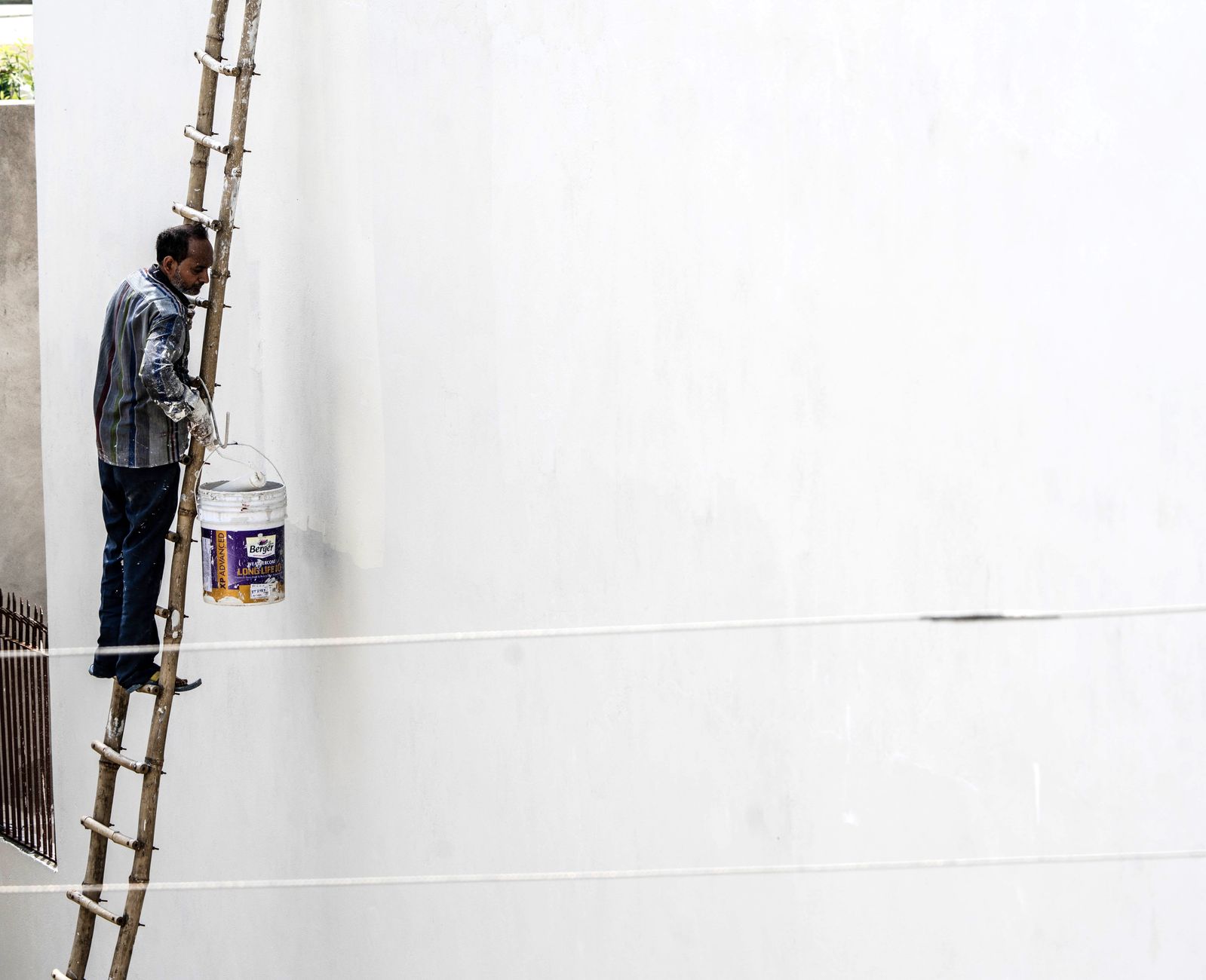
Six to twelve months from first assessment to final walkthrough is realistic for a multi-building community, and most of that is not painting. It is meetings. A board starting in January for a summer completion is starting on time. A board starting in April is not.
| Phase | Typical duration | Who owns it |
|---|---|---|
| Condition assessment, building by building | 2–4 weeks | Board committee, manager, sometimes a consultant |
| Reserve review and funding decision | 1–2 meeting cycles | Board, treasurer, reserve analyst |
| Writing and issuing the scope document | 2–3 weeks | Board or manager |
| Bidding, site walks, clarifications | 3–5 weeks | Bidders; board answers in writing |
| Bid comparison and selection | 1–2 meeting cycles | Board |
| Color approval and architectural review | 3 weeks to 3 months | Committee, board, members |
| Contract, insurance, scheduling, notices | 2–3 weeks | Board, manager, contractor |
| Painting a single building end to end | 3–7 working days | Contractor |
| Painting a 10–12 building community | 6–12 weeks, weather dependent | Contractor |
| Punch list and final walkthrough | 1–2 weeks | Board or manager with contractor |
The two phases that blow up calendars are color approval and weather. Color approval expands to fill whatever time you give it, so give it a deadline and a defined process at the start. Weather is not negotiable — in marine layer season on the coast, plan on losing days, and write the contract so weather delays carry no penalty on either side.
Build a punch walk into the schedule per building rather than one at the end. By the time twelve buildings are finished nobody remembers what was flagged on building 2, and the crew and equipment have moved on. A short walk at the close of each building, manager present, written list, is the difference between a punch list that gets closed and one that becomes an agenda item for a year.
When your board should not repaint yet
This section costs us work and we write it anyway. Sometimes the right answer for a community is to wait, and a contractor who never says so is not looking out for your reserves.
Not while a building has active water intrusion. If units report leaks, interior walls are staining, stucco sounds hollow or feels soft, or dry rot is suspected behind the finish, paint hides the evidence and changes nothing about the cause. Get the source diagnosed and repaired first. We have declined community exteriors for this reason, and the association was better served by an investigation than by a coating.
Not mid-litigation over construction defect. Repainting can affect evidence and complicate a claim, and that is a question for counsel, not for a painter. If your community has an open or contemplated defect claim touching the building envelope, ask your attorney before anyone touches the walls.
Not months before roofing, windows, or major stucco work. Roofers and window crews damage fresh paint, and you pay twice — once for the coating and again for touch-up that never quite matches. If a capital project is coming within a year, paint after it.
Not because the color is dated. If the coating is sound — no chalking, no cracking, no peeling, sheen intact — the community is spending reserve money on aesthetics that could have waited three or four years. That is a legitimate decision if the members want it, but it should be made openly as a cosmetic one, not justified as maintenance.
Not if the money is not actually there. A repaint funded by the cheapest bid rather than the right scope is a repaint the association does again in five or six years. If reserves and assessment appetite cannot cover the correct scope now, phase to the buildings that are genuinely failing. Half a job done properly beats a whole job done thin.
For questions about an HOA exterior repaint, or any HOA and community association painting in San Diego County, call us directly. We will walk the property, tell you which buildings are actually due, and help your board write a scope even if you bid it to three companies including us. No forms, no hold music — Joe or Alex on the line, with a written proposal usually back about two days after the walk. We have been doing this in San Diego since 2007, licensed CA #794402-C33, bonded and insured.
See also: what commercial painting costs in San Diego, apartment painting, and multi-family painting.
FAQ
How does an HOA pay for an exterior repaint if the reserve fund comes up short?
Boards generally have four routes: draw the reserve and cover the gap from operating surplus, levy a special assessment, take an association loan repaid from future assessments, or phase so only the failing buildings are painted this budget year. Each carries different approval requirements under your governing documents and under California law, so confirm the specifics with your association counsel and reserve analyst before the board commits. The route boards regret most is quietly cutting the scope to fit the balance.
What has to be in an HOA painting scope document for bids to be comparable?
At minimum: buildings and elevations included, the surface preparation standard, how stucco crack repair is defined and how much is assumed, coat count stated separately for stucco, trim, doors, and metal, the product manufacturer and product number with sheen per surface, whether railings and ironwork are included and how rust is handled, who supplies access equipment, who produces resident notices, the cleanup standard, and the warranty terms. Add a unit price for crack repair beyond the assumed quantity. If the scope does not say it, every bidder assumes it, and each assumes something different.
How do we compare three HOA painting bids that all describe different work?
Build one comparison sheet with a row per scope item and a column per bidder, then read the exclusions before the price. Most of a large spread comes from four places: coat count, whether stucco repair is included and at what crack width, whether ferrous metal and railings are in scope, and who pays for lifts and access equipment. Once those four are normalized, the bids usually land far closer together than the cover pages suggested.
How long does a community repaint take from the first assessment to the final walkthrough?
Six to twelve months for a multi-building community, of which the actual painting is usually six to twelve weeks. The long part is process: two to four weeks for the condition assessment, a board cycle or two for funding, two to three weeks to write and issue the scope, three to five weeks for bidding, another cycle to award, and three weeks to three months for color approval. A single building end to end is three to seven working days.
How much notice should residents get before painters reach their building?
Two layers. A community-wide notice two to four weeks ahead with the building sequence and approximate dates, then a door hanger or unit notice a few days before that specific building starts. The unit notice has to be concrete: the date the crew arrives, what must be cleared from patios and balconies and by when, where to park while carports are out of service, and which days pets should stay inside. Naming one point of contact cuts call volume more than anything else.
What happens if a homeowner objects to the color the board approved?
Handle it through the process rather than in the parking lot. Most governing documents give the board or the architectural committee authority over common-area color, with notice and open meeting requirements attached, and the protection is having followed that process and recorded it in the minutes by manufacturer and formula rather than by color name. Large sample areas on real buildings, viewed at different times of day, resolve most objections before a vote. A formal dispute is a question for association counsel, not for the painter.
What warranty terms should an HOA board ask for on an exterior repaint?
Ask for the term in years, then ask what is actually covered — materials, labor, or both, and whether coverage is prorated. Ask which failure modes are included, since peeling, blistering, and coating failure are commonly covered while fading, chalking, and stucco cracking often are not. Ask how a claim is made and how fast a response is promised. Ask for the manufacturer product data sheet too, because a manufacturer warranty depends on the specified system being applied as written.
Should we repaint every building at once or phase the community over a few years?
All at once is cheaper per square foot and produces a uniform result, because you mobilize once and every wall is painted from the same product batches under the same conditions. Phase only when the money genuinely is not there, or when building condition varies enough that some buildings have several years of service life left. If you phase, record the exact manufacturer, product number, base, and color formula in the contract documents and carry them into every later phase.
Penney's Professional Painting — HOA, community association, and multi-family exterior painting across San Diego County since 2007. CA #794402-C33, bonded and insured.
We will walk your property and tell your board which buildings are genuinely due and which can wait a budget year, before we quote anything. Estimates are free and the written proposal usually comes back within about two days.
Walk the job with Joe or Alex.
Tell us what you're thinking. We'll come look, point out what we'd do differently, and only quote what we'd paint in our own house.