
Deck Paint for Coastal San Diego: Salt Air, Patios, and What Actually Lasts
Joe Penney has been painting in San Diego County since 2007 and in the trade for over 35 years. Every job — residential, commercial, and specialty coatings — is run by Joe or his son Alex personally. No subcontractors, no franchise crews. CA License #794402-C33.

Quick answer
Near the coast in San Diego, the best deck paint is a 100% acrylic system built for salt air and UV — but on a wood deck, a penetrating stain often outlasts film paint, because paint that peels in two years traps the moisture salt air drives in. Prep and timing matter as much as the product: surfaces must be salt-washed, dry, and painted outside the morning marine layer.

Living a mile from the ocean does two things to your deck: it makes the view worth more and the paint last less. Salt air is patient. It is also, unlike my teenage son, always working — and given enough time it will lift a cheap finish off your deck while you sleep. Deck paint near the beach is not a product problem so much as a system problem: the right coating, the right prep, and the right day to apply it.
This guide covers what actually holds up on coastal decks, patios, and exteriors in San Diego — paint versus stain, the coatings we specify within a mile of the water, how the marine layer dictates the schedule, and the prep step almost everyone skips. We have been painting San Diego County since 2007, with no subcontractors, including a lot of homes in Bird Rock, Del Mar, Coronado, and Ocean Beach where the ocean sets the rules. Here is what 35-plus years of that work has taught us about coating wood and concrete in salt air.
Why coastal weather wrecks deck paint
Coastal weather attacks a deck finish three ways at once: salt, moisture, and UV. Each one alone shortens the life of a coating. Together, within a mile of the San Diego coast, they can cut a finish's life roughly in half compared with the same job done inland.
Salt is the part people underestimate. Airborne salt settles on every horizontal surface and works its way into the pores of wood and the film of a coating. It is hygroscopic — it pulls moisture out of the air — so a salted surface stays damp longer than a clean one, and that trapped dampness is what breaks the bond between paint and wood. Standard pressure washing does not remove salt; it has to be deliberately washed off.
Moisture arrives from below as much as above. Marine-layer fog, morning dew, and the higher humidity near the water keep decks damp well into the day. A film-forming paint applied over a surface that never fully dries traps that moisture against the wood, and the coating blisters and peels from underneath. This is the single most common reason a coastal deck repaint fails early.
UV finishes the job. Coastal San Diego gets strong, direct sun, and the south- and west-facing parts of a deck take the brunt. UV breaks down the binders in a coating and fades the color, and a chalked, degraded surface holds salt and moisture even better. The National Weather Service San Diego office tracks the marine layer that drives a lot of this — it is worth understanding the pattern before you plan a coating job.
Deck paint vs stain on a coastal deck
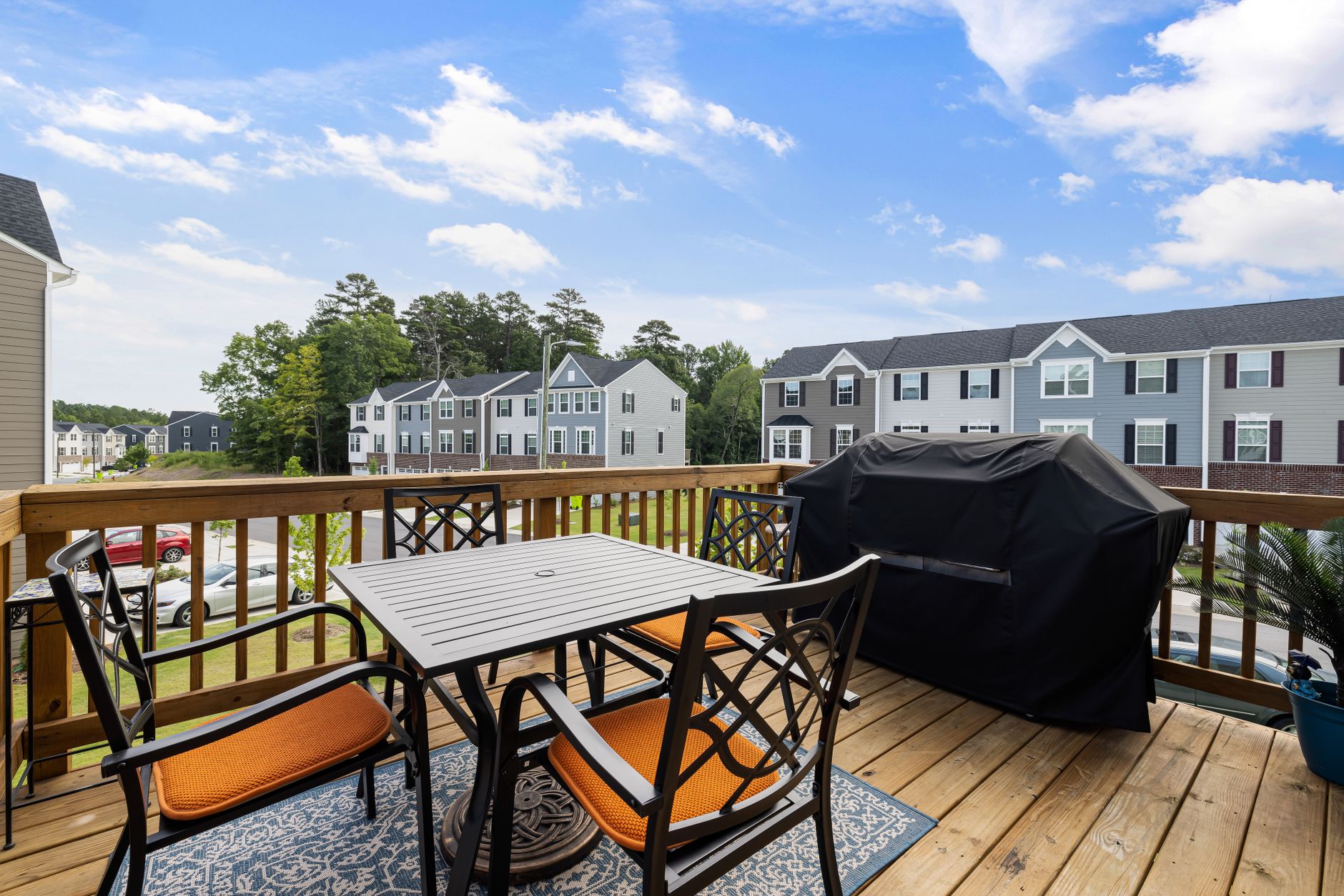
On a wood deck within a mile of the water, a penetrating stain usually outlasts film paint — and that is the one strong opinion we will put a number on. A film-forming deck paint near the coast can start peeling in about two years, because when salt-driven moisture gets underneath it, the whole film lets go. A penetrating stain has nothing to peel: it soaks into the wood and wears away gradually instead of failing in sheets.
That does not make paint wrong everywhere. Paint hides a worn or mismatched deck, gives you any color you want, and on a covered or low-moisture deck it holds up fine. But the wetter and saltier the exposure, the more a film coating works against you. Walking a customer through this is part of our deck and fence staining work — we will tell you which finish the deck actually wants before we quote it.
Here is the short version of how the two behave on the coast:
- Solid stain: the most protective stain, covers color, and still penetrates rather than forming a thick film. A strong middle ground for coastal decks that need color and durability.
- Semi-transparent stain: penetrates deepest and wears gradually with no peeling, which suits older coastal wood that has already been through stain cycles. Less color, more maintenance touch-ups.
- Deck paint: maximum color and coverage, best on covered or drier decks, railings, and trim — but the highest peel risk on an exposed, salt-washed walking surface.
Best paint and coatings for coastal exteriors
The best paint for coastal San Diego exteriors is a high-quality 100% acrylic latex system in a satin or semi-gloss sheen — it resists salt spray and UV, flexes with temperature swings, and lets trapped moisture escape rather than blistering. For the stucco that covers most San Diego homes, an elastomeric system is often the better call near the water. The right product depends on the surface, so here is how the options compare for coastal use.
| Coating | Best for | Coastal notes |
|---|---|---|
| 100% acrylic latex | Wood trim, railings, siding, fascia | Salt- and UV-resistant, breathable, flexible; satin or semi-gloss |
| Elastomeric | Stucco walls | Thick film bridges cracks and resists wind-driven rain on exposed elevations |
| Penetrating deck stain | Wood walking decks | No film to peel; wears gradually — the safer coastal deck choice |
| Concrete/masonry coating | Patios, pool decks, balconies | Must be breathable and applied only after moisture testing |
| Direct-to-metal (DTM) | Railings, gates, hardware | Rust-inhibiting primer first; metal corrodes fast in salt air |
A satin or semi-gloss sheen is not just a look near the coast — it sheds salt and water and cleans up far better than a flat finish, which holds grime and chalks faster in UV. On the metal that shows up on most coastal decks — railings, gates, light fixtures — a rust-inhibiting primer before topcoat is not optional. Salt air will have bare or poorly primed metal bleeding rust within a year.
One more option worth knowing: breathable mineral finishes. On masonry and stucco, a vapor-permeable coating lets the wall release moisture instead of trapping it, which is exactly what you want in a damp coastal microclimate. We cover that in detail in our guide to limewash in San Diego.
Painting and coating concrete patios near the beach
A concrete patio near the beach can be painted or coated, but only after it passes a moisture test — because coastal slabs move more water vapor than inland ones, and that vapor is what lifts a coating off concrete. The order of operations matters more than the product.
Coastal patios, pool decks, and ground-level balconies sit close to a high water table and take constant marine humidity. A slab can look bone dry and still transmit enough moisture from below to peel a coating within a season or two. Before we coat any exterior concrete near the water, we test for moisture and check for efflorescence — the white, powdery salt deposit that signals moisture is moving through the slab and carrying minerals with it. Coating over active efflorescence is a guaranteed callback.
When a patio does pass, the prep is the job: degrease, profile the surface so the coating can grip, repair cracks and spalls, and use a breathable masonry coating rather than a sealed film that traps vapor. For exposed-aggregate or stamped patios, a penetrating sealer often beats a colored coating — same logic as a deck, where a finish that breathes outlasts one that forms a trapped film.

The marine layer: when to paint near the coast
The best time to paint a coastal San Diego deck or exterior is a dry afternoon once the marine layer has burned off and the surface has had time to dry — not first thing on a gray morning. From roughly May through September, the marine layer (June Gloom) sits over the coast most mornings, and a deck that looks dry can still be damp enough to ruin a coating.
This is why we test surface moisture with a meter rather than going by the calendar or the feel of the wood. Painting onto a surface still carrying marine-layer moisture causes blistering and early peeling, often within the first year — the same failure mode as salt-trapped dampness, just faster. The fix is patience: let the morning fog clear, let the surface dry, and stop before evening damp rolls back in.
Temperature matters too. Most exterior coatings want to go on between about 50°F and 90°F, on a surface that is neither cold-damp nor baking. On the coast that window is usually mid-morning to mid-afternoon once the fog lifts; inland and on hot days it shifts earlier. We go deeper on seasonal timing in our post on the best time of year to paint an exterior in San Diego.
Coastal prep — salt is the part everyone skips
On the coast, prep starts with removing salt, and most failed deck jobs near the water skipped exactly that step. A standard pressure wash blasts off dirt and loose material but leaves the salt that has worked into the surface, and painting over it seals the salt against the wood where it keeps pulling moisture.
The coastal prep sequence we follow on decks and exteriors:
- Salt-neutral wash: rinse and wash the surface to remove salt deposits, not just dirt — the step that separates a coastal-grade prep from a generic one.
- Clean and treat: remove mildew and any graying or rot-softened wood; let the surface dry fully, which near the water can take longer than people expect.
- Sand and profile: sand wood to a sound, paint-ready surface; profile concrete so a coating can grip; feather any old, failing coating back to a stable edge.
- Repair and prime: fix cracks, set popped fasteners, prime bare wood and all metal with a rust-inhibiting primer before any topcoat.
For raw wood specifically, the U.S. Forest Service's Forest Products Laboratory has decades of research on how exterior wood finishes weather — the short version is that surface preparation and the finish's ability to handle moisture movement matter more than the brand on the can.
How to paint a deck: coats, dry time, finish
To paint a deck properly, you prep and prime, then apply at least two thin topcoats with full dry time between them, finishing in a satin or semi-gloss sheen for slip resistance and easier cleaning. Rushing the coats or the dry time is how a coastal deck job fails before its time.
Most exterior coatings are dry to the touch within a couple of hours but need much longer before recoating and longer still before full cure — and on the coast, marine moisture stretches those times. We plan recoat windows around the actual conditions, not the minimum on the label. Two thin coats outperform one thick coat every time: a heavy coat skins over on top while staying soft underneath, which on a damp coastal deck is a recipe for trapped moisture.
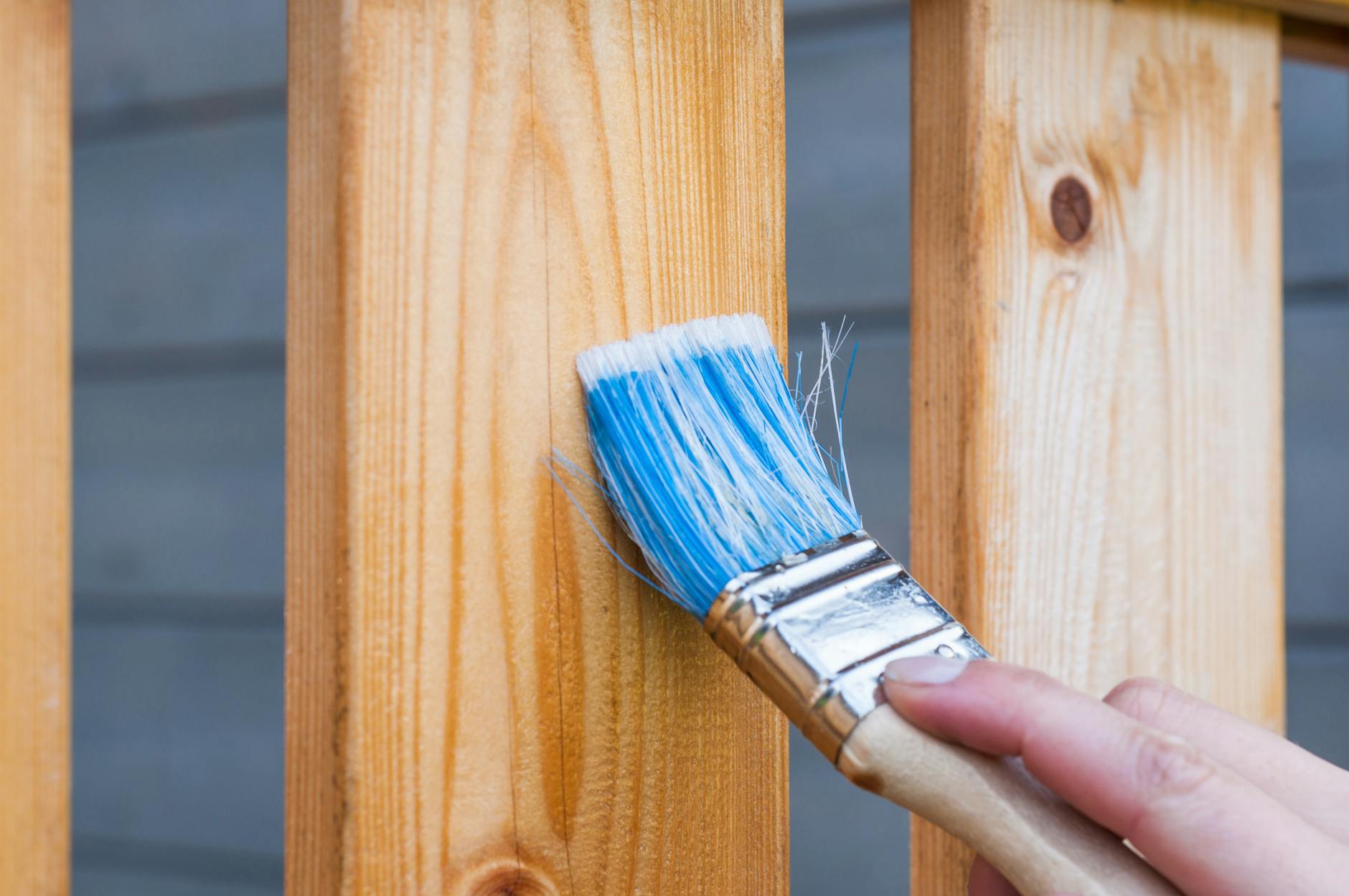
Application method follows the surface. Decking boards get back-rolled or brushed so the coating works into the grain and the gaps between boards, not just sprayed and left sitting on top. Railings, balusters, and trim get cut in by hand. The goal on a walking surface is a finish that is keyed into the wood and even underfoot — not a film floating on a layer of salt.
What changes block by block on the coast
How aggressive the coastal exposure is depends on how close you are to the water and which way the deck faces — and in San Diego that changes within a few blocks. The difference between a home on the sand and one half a mile inland is real enough that we quote and spec them differently.
In La Jolla — Bird Rock, the Shores, Lower Hermosa — and in Ocean Beach and Mission Beach, homes on the front blocks take direct salt spray and wind, and the windward elevations and walking decks need the most durable systems and the most frequent attention. Del Mar and Encinitas add the marine-layer timing problem on top of the salt, since the fog sits longest right along the coast. Coronado combines heavy salt air with a lot of older wood that needs careful prep, and many homes there predate 1978, which brings lead-safe practices into the picture.
A few blocks inland — Point Loma's hilltop, the east side of Encinitas, the mesa above Del Mar — the salt load drops and the marine layer clears sooner, and a standard high-quality acrylic system on wood and an appropriate coating on stucco hold up well. The point is that “coastal” is not one condition; it is a gradient, and the spec should follow it.
How long it lasts and the maintenance cycle
A well-prepped coastal deck or exterior holds up several years, but the ocean shortens the cycle: expect roughly half the life you would get inland, and budget for maintenance rather than a one-and-done. With proper prep and the right product, a coastal exterior paint job commonly lasts about 7 to 10 years; let the maintenance slide and the same job can fail in 4 to 5. A painted deck surface near the water is shorter still, which is a big part of why we steer exposed coastal decks toward stain.
The maintenance that actually extends a coastal finish is unglamorous: rinse salt off horizontal surfaces periodically, address mildew early, and do small touch-ups before they spread. A penetrating stain makes this easy, since you can refresh worn areas without stripping — there is no peeling film to fight. A film paint makes it harder, because once peeling starts, the fix is back to prep.
Coastal work also costs more than the same job inland, mostly in prep and product. The salt wash, longer dry times, more durable coatings, and rust-inhibiting metal primer all add up. For how exterior pricing works in San Diego generally, see our exterior painting cost guide, and for stucco specifically, our exterior painting and stucco repair pages.
When you should not paint your deck
Sometimes painting a coastal deck is the wrong call, and we will say so before we quote it. Here are the situations where a coating is not the answer.
The wood is rotting or structurally soft. If boards are spongy, cupped, or failing at the fasteners, paint is lipstick on a problem. Salt air and constant moisture accelerate rot, and coating over soft wood hides damage that needs boards or framing replaced first. We would rather flag it than paint over it.
The deck is already oiled or stained and you want film paint. Paint does not bond well over a penetrating oil or stain without serious prep, and on the coast that weak bond fails fast. Often the right move is to stay in the same family — re-stain a stained deck — rather than force a film coating on top.
The surface will not get dry. A deck under constant marine-layer fog with no sun exposure, or a concrete patio that fails a moisture test, should not be coated until the moisture problem is addressed. Coating a surface that never dries is the fastest way to waste the money.
You want a five-year finish on a two-weekend budget. Coastal prep is the job. If the timeline or budget only allows a quick wash and a coat, the result will reflect that — and near the water it will reflect it within a year. We will tell you what realistic prep looks like and let you decide.
For coastal decks, patios, and exteriors — or any exterior or deck work in San Diego County — call us directly. No forms, no hold music, just Joe or Alex on the line. We have been coating wood and concrete in San Diego salt air since 2007, and we will tell you the same thing in person that we just wrote here: near the water, the prep and the product have to match the ocean, or the ocean wins.
FAQ
What is the best deck paint for a coastal home in San Diego?
For railings, trim, and covered areas, a 100% acrylic latex in satin or semi-gloss resists salt and UV and stays flexible. For the walking surface of an exposed wood deck near the water, a penetrating stain usually outlasts film paint, because paint that peels traps the moisture salt air drives in. The right choice depends on how exposed the deck is and whether it is wood or concrete.
Should I paint or stain a deck near the beach?
On an exposed wood deck near the beach, stain is usually the safer bet. A penetrating stain wears away gradually with no film to peel, while a film paint near the coast can start peeling in about two years once salt-driven moisture gets underneath it. Paint still makes sense on covered decks, railings, and trim where moisture exposure is lower.
Why does paint peel so fast on a coastal deck?
Salt air keeps surfaces damp and drives moisture into the wood, and a film paint applied over that surface traps the moisture against the wood and blisters from underneath. Skipping the salt wash before painting makes it worse, because the salt stays under the coating and keeps pulling moisture. It is almost always a prep-and-moisture problem, not a paint-quality problem.
Can you paint a concrete patio near the ocean?
Yes, but only after a moisture test. Coastal slabs move more water vapor than inland concrete, and that vapor lifts coatings from below. We also check for efflorescence — white powdery salt deposits — which signals active moisture movement. If the slab passes, a breathable masonry coating over proper prep works; if it fails, the moisture has to be addressed first.
When is the best time to paint an exterior near the coast in San Diego?
A dry afternoon once the marine layer has burned off and the surface has dried. From May through September, June Gloom keeps coastal mornings damp, and painting onto marine-layer moisture causes blistering and early peeling. We test surface moisture with a meter rather than going by the calendar, and we stop before evening damp returns.
How long does exterior paint last on a coastal San Diego home?
With proper prep and the right product, roughly 7 to 10 years; with maintenance neglected, the same job can fail in 4 to 5. The ocean roughly halves the life you would get inland. Walking-deck surfaces are shorter still, which is why exposed coastal decks are often better stained than painted.
Do I really need to wash salt off before painting?
Yes. Standard pressure washing removes dirt but not the salt worked into the surface, and painting over salt seals it against the wood where it keeps pulling moisture and breaking the bond. A deliberate salt-neutral wash is the step that separates a coastal-grade prep from a generic one, and skipping it is behind most early coastal failures.
What sheen is best for coastal decks and exteriors?
Satin or semi-gloss. Those sheens shed salt and water, resist chalking in UV, and clean up far better than a flat finish, which holds grime and degrades faster near the water. On a walking deck, satin also gives better slip resistance than a high gloss.
Penney's Professional Painting — deck, patio, exterior, and interior painting across San Diego County since 2007, including the coastal neighborhoods where salt air sets the rules.
We will tell you whether your deck wants paint or stain — and whether your patio is ready to coat at all — before we quote anything.
Walk the job with Joe or Alex.
Tell us what you're thinking. We'll come look, point out what we'd do differently, and only quote what we'd paint in our own house.